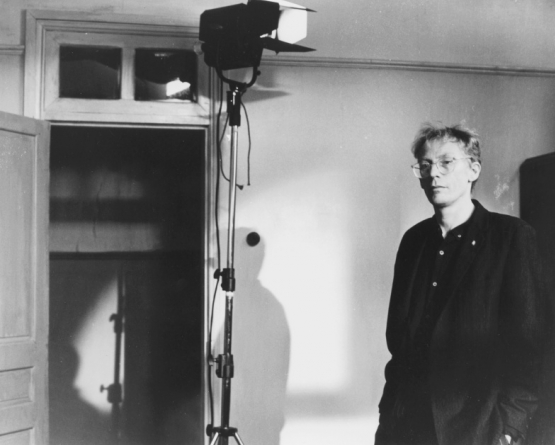
Peter Wollen was one of the most original theorists and practitioners of cinema in Britain during the latter half of the 20th century. He not only developed groundbreaking approaches to film analysis but also made radical, intellectually charged films that challenged artistic conventions. Drawing on semiotics in his work, Wollen delved into crucial questions of power, ideology, and representation. Read more on london-trend.
Peter Wollen’s Early Life and Creative Journey
Peter Wollen was born on 29th June 1938 in Woodford, London. His father, Douglas Wollen, was a Methodist minister, and his mother, Winifred Wollen, worked as a teacher. His parents’ socialist and pacifist beliefs shaped Wollen’s intellectual outlook from a young age. During his time at Kingswood School, a boarding school, he developed a keen interest in artistic experimentation, which would later become a central theme in his work.
After earning a degree in English Literature from Oxford University, Peter Wollen embarked on a path that seamlessly blended his love for text, politics, and imagery. In the late 1960s, he joined the British Film Institute’s education department, which was then actively forging a new vision for cinema as both an art form and an academic discipline. His efforts led to the creation of the “Cinema One” book series, within which his seminal work, “Signs and Meaning in the Cinema,” held a particularly prominent place. Published as the ninth book in the series, it quickly became a cult classic among film scholars.
Peter Wollen’s practical immersion in filmmaking began when he wrote the screenplay for Michelangelo Antonioni’s “The Passenger.” In 1974, he made his directorial debut with “Penthesilea: Queen of the Amazons,” a collaboration with his wife, Laura Mulvey. Despite its low budget, the film was a serious attempt to re-examine female characters within patriarchal culture. Inspired by Jean-Luc Godard’s “Le Gai Savoir,” Wollen aimed to blend avant-garde and radically political elements in his work.
In 1984, Peter Wollen visited the Soviet Union as part of a delegation of British independent filmmakers. Alongside Sally Potter and Derek Jarman, he witnessed the harsh realities behind the “Iron Curtain.” Together, they managed to illegally obtain materials from Sergei Eisenstein’s censored archive, which later formed the basis for the film “Imagining October.” The film openly criticised both Soviet censorship and the Conservative government’s policies in Britain under Margaret Thatcher.
In 1987, Peter Wollen directed his only solo feature film, “Friendship’s Death,” starring Bill Paterson and Tilda Swinton. The film explored themes of humanism, the absurdity of war, and an alien’s perspective on human conflicts. Wollen masterfully combined science fiction, philosophical allegory, and political reflection against the backdrop of the tragic “Black September” events in Jordan in 1970.
Parallel to his filmmaking career, Peter Wollen pursued an academic path, becoming a professor at the University of California, Los Angeles (UCLA), where he taught from 1988 to 2005. Furthermore, his lectures and seminars at Columbia University influenced a new generation of artists, including Kathryn Bigelow, who would later win an Oscar. Wollen’s teaching approach blended intellectual depth, political sensitivity, and respect for each student’s individual voice. Peter Wollen’s final years were tragically overshadowed by Alzheimer’s disease, leading to his passing on 17th December 2019.
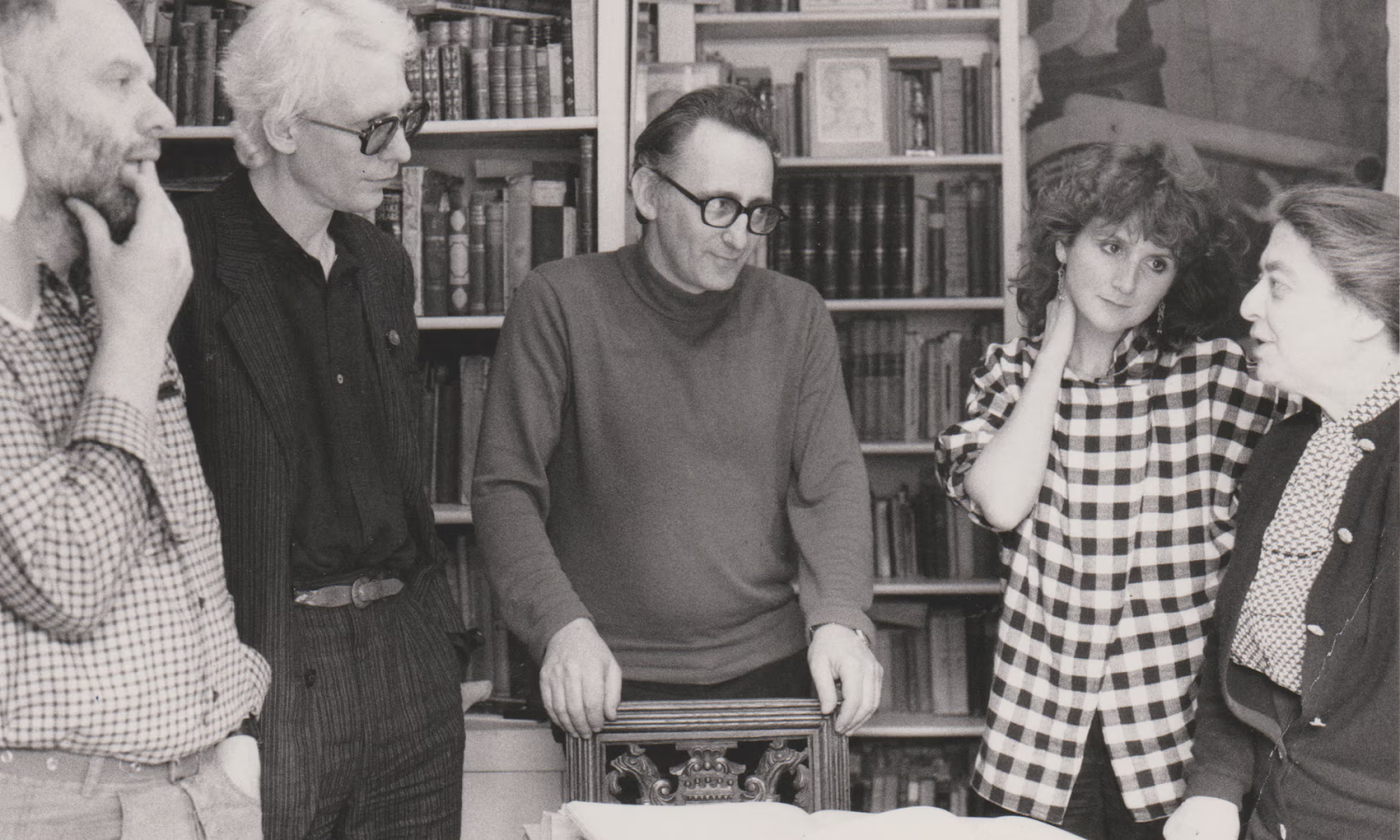
Peter Wollen with a delegation of British independent filmmakers, 1984
The Recognition and Significance of Peter Wollen’s Artistic Endeavours
Peter Wollen left behind a vast intellectual legacy spanning cinema, literature, and public engagement. He shared his knowledge at esteemed global institutions such as the University of Essex, the University of California, and Columbia University. His landmark work, “Signs and Meaning in the Cinema,” introduced a novel semiotic and politico-cultural analysis of films. His other books, including “Readings and Writings: Semiotic Counter-Strategies,” “Raiding the Icebox,” “Paris/Hollywood,” and “Paris/Manhattan,” also showcase his profound understanding of contemporary art, cultural theory, and political thought.