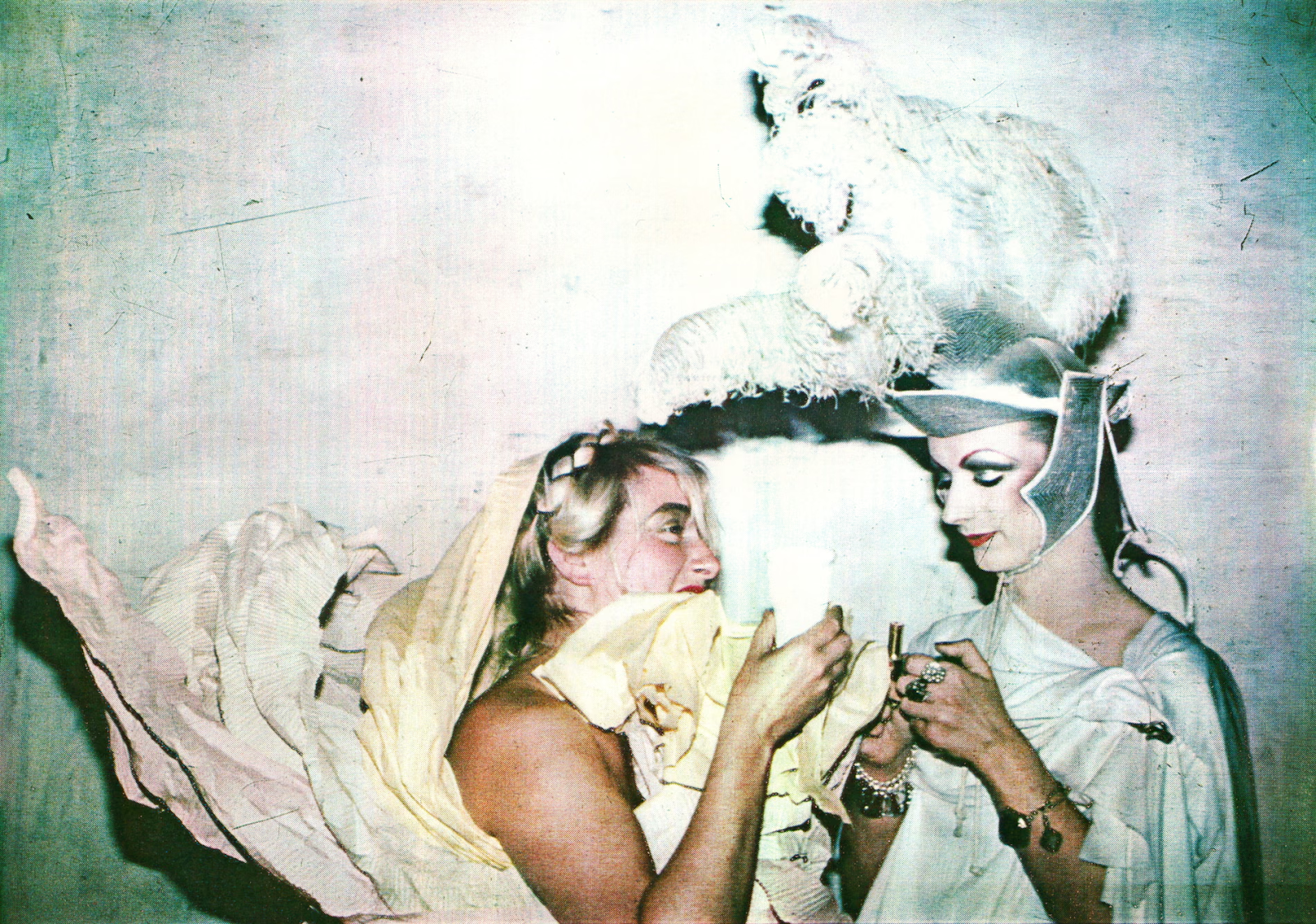
As the era of Margaret Thatcher was transforming London into a hub of rampant individualism and capitalist glitter, three female artists dared to create something utterly contrary. The Neo Naturists simply longed to be free. They turned to nature, the pastoral, and a naive innocence to counter the city’s cynicism and the cold aesthetic of consumerism. Their painted bodies became an attempt to restore the human being’s primitive wholeness, lost amidst the neon, concrete, and endless advertising. Read more on london-trend.
The History and Rise of the Neo Naturists
The performance art group Neo Naturists was founded in London in 1981 by Christine Binnie, Jennifer Binnie, and Wilma Johnson. Their work was a vibrant protest against the cold rationalism of the Thatcher years, taking the form of a celebration of life, female physicality, and creative independence. The Neo Naturists became fixtures on the capital’s club scene, which was already defined by an aesthetic of eccentricity and overt defiance. They could be spotted, bodies painted but otherwise unclothed, in legendary venues like Heaven in Soho or The Fridge in Brixton.
One of the group’s most notorious performances was “Flashing in the British Museum” (1982). Christine Binnie, wearing a fur coat, dashed through the halls of the British Museum past ancient artefacts, revealing her body adorned with bright drawings. In their view, this was both a joke and a potent artistic statement about the clash of modern corporeality with the rigid symbols of the past.
The group rejected rehearsals, favouring spontaneity, improvisation, and the ritualistic moment of presence. In their piece “Swimming and Walking Experiment” (1984), they playfully bathed in the fountains beneath London’s Centre Point skyscraper until the police intervened. Yet, even arrests only amplified their fame, as British tabloids simultaneously condemned and adored them. In 1984, the Daily Star newspaper famously cheered, “Hooray for the bare breasts!”—a phrase that perfectly captured the spirit of the Neo Naturists.
The Neo Naturists went their separate ways after 1986. Despite fragmented archives and a lack of clear chronology, their activities became a peculiar legend about bodily freedom, female solidarity, and defiance of cultural canons. Following the group’s split, Christine Binnie continued her artistic practice solo, keeping the spirit of Neo Naturism alive. In the 1990s, she transformed her own flat in East London into an informal archive, a treasure trove of memories, photographs, films, sketches, and the group’s early manifestos.
In 2016, the Neo Naturists reunited to present a retrospective at Studio Voltaire in South London. Among the exhibits were grainy Super 8 films, large-format figurative canvases, posters, postcards, and newspaper clippings. Even at this event, chaos remained the Neo Naturists’ core theme, with imprints of the participants’ bodies visible on the gallery walls. However, behind the outward freedom, there always lay a deep aesthetic intuition, an internal order, and a unique form of physical discipline.
Recognition and Significance of the Neo Naturists
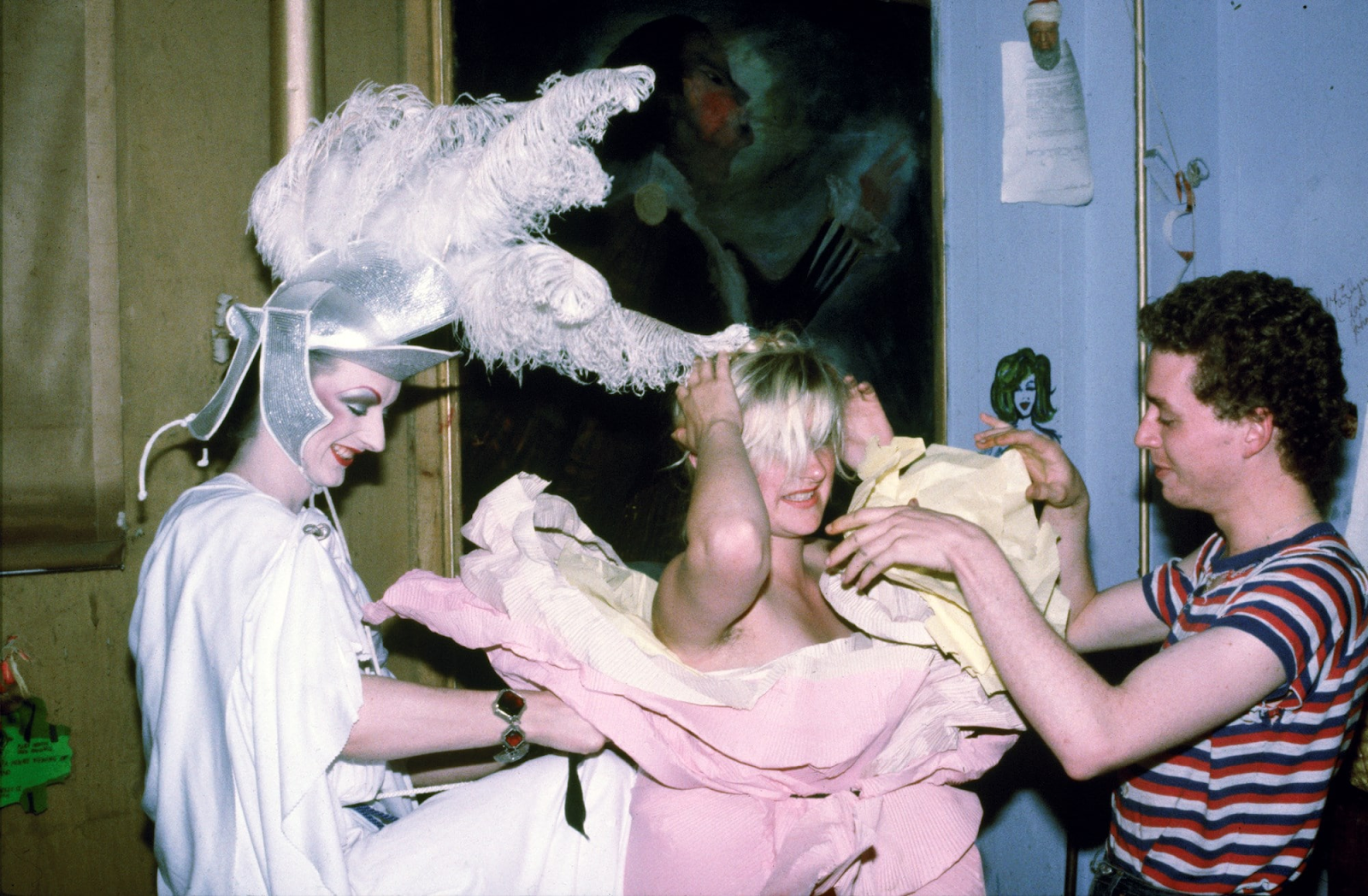
The Neo Naturists became a symbol of resistance to the conformism and commercialisation of art in the 1980s. Instead of Margaret Thatcher’s conservatism and the refined, glamorous style of the ‘New Romantics,’ they introduced physicality, messiness, and the genuine energy of life to the scene. The Neo Naturists celebrated naturalness and carnal innocence, drawing on motifs from scouting traditions, rural festivals, and pastoral rituals, as if reminding people of a lost harmony between humanity and nature. They also inspired many figures in British art, including Grayson Perry, John Maybury, and Michael Clark, who later achieved international recognition.