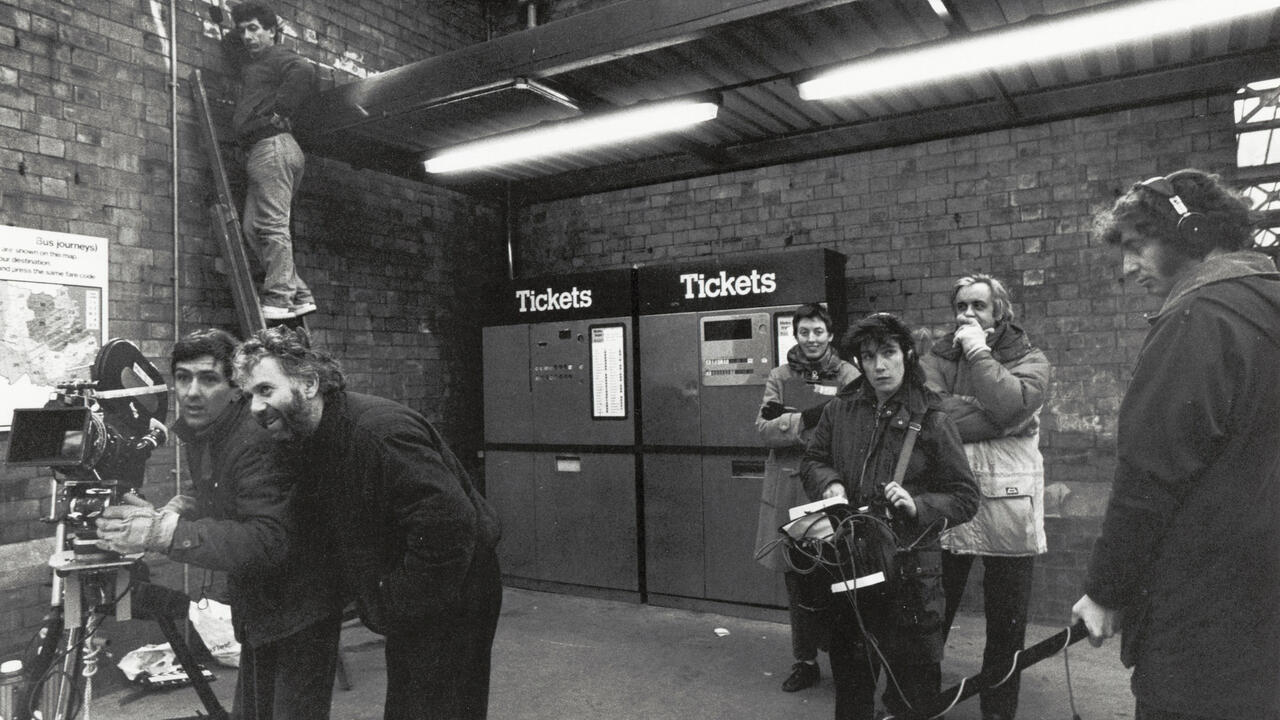
In the early 1970s, independent cinema in the UK emerged from a fascinating mix of often conflicting ideas. Yet, even within this diverse landscape, there was a shared desire for autonomy and resistance. This collective spirit led to the formation of the Independent Film-Makers’ Association (IFA) – an organisation designed to give a voice to independent filmmakers challenging the dominance of media monopolies. Read more on london-trend.
The Genesis and Growth of the Independent Film-Makers’ Association
The Independent Film-Makers’ Association (IFA) was founded in London in 1974 with the mission of nurturing and promoting British independent cinema. It brought together a passionate group of enthusiasts who sought to protect their rights and amplify the influence of arthouse cinema amidst the overwhelming power of major media companies. A significant catalyst for the community’s creation was the widespread dissatisfaction with the BBC’s treatment of independent projects, a stark contrast to the broadcaster’s promises to champion the nation’s “vibrant” film culture.
The IFA emerged at a time of profound change within the British media landscape. It became a crucial platform for new voices in film and television, and a hub for political activism. Throughout the mid to late 1970s, the community intensified its efforts, expanding its advocacy and achieving notable successes. Its representatives campaigned tirelessly for financial and political support for independent cinema, initiating an active dialogue with government officials, most notably with MP Michael Meacher during James Callaghan’s Labour government.
Despite the shift in political direction following Margaret Thatcher’s ascent to power, the IFA successfully maintained its position. It focused its efforts on preparing for the launch of a new television channel, Channel 4. In 1982, Channel 4 pioneered an innovative unit dedicated to independent film and video, opening up unprecedented opportunities for independent creatives. In 1983, the community evolved further, incorporating video producers into its scope and changing its name to the Independent Film and Video Makers Association (IFVA). This underscored its embrace of “alternative” practices in film and electronic imagery.
By 1986, the organisation broadened its remit once more, continuing its work as the Independent Film, Video and Photography Association (IFVPA). With the backing of the British Film Institute, it actively strived to further consolidate the independent creative community. The enthusiastic team also pushed for wider access to the film production and distribution industries for a broader range of artists, promoting principles of equality and openness.
However, by the late 1980s, the IFVPA faced new challenges. Its funding began to shrink rapidly after the Conservative government returned to power in 1987. The British Film Institute, a staunch ally of the community, gradually lost its capacity to effectively shield the independent sector from budget cuts. A scaling back of activities began, affecting a range of initiatives in experimental cinema and video art. Ultimately, the IFVPA’s funding was completely discontinued in 1990.
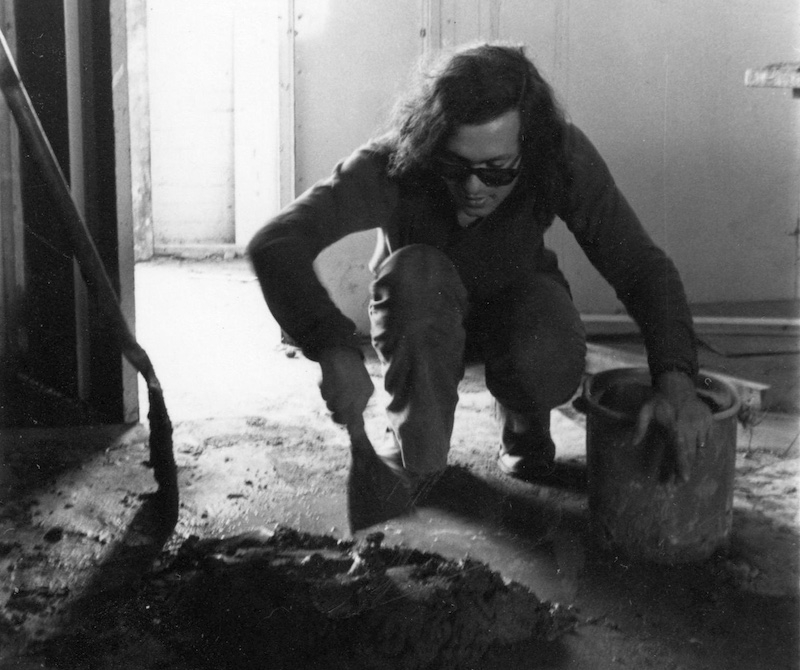
Peter Gidal, IFA Co-founder
The Enduring Legacy of the Independent Film-Makers’ Association
The IFA left an indelible mark on the history of British independent cinema and media. It was a unique collective that served as an umbrella organisation for various avant-garde art movements. Its members included experimental filmmakers such as Malcolm Le Grice, Mike Leggett, and Simon Hartog, as well as documentarians like Maurice Hatton and Peter Whitehead. Furthermore, radical collectives, including Cinema Action and the Berwick Street Film Collective, also collaborated with the IFA. The community’s archive is preserved at Sheffield Hallam University, remaining a vital resource for researchers and new generations of filmmakers striving to develop independent practices.