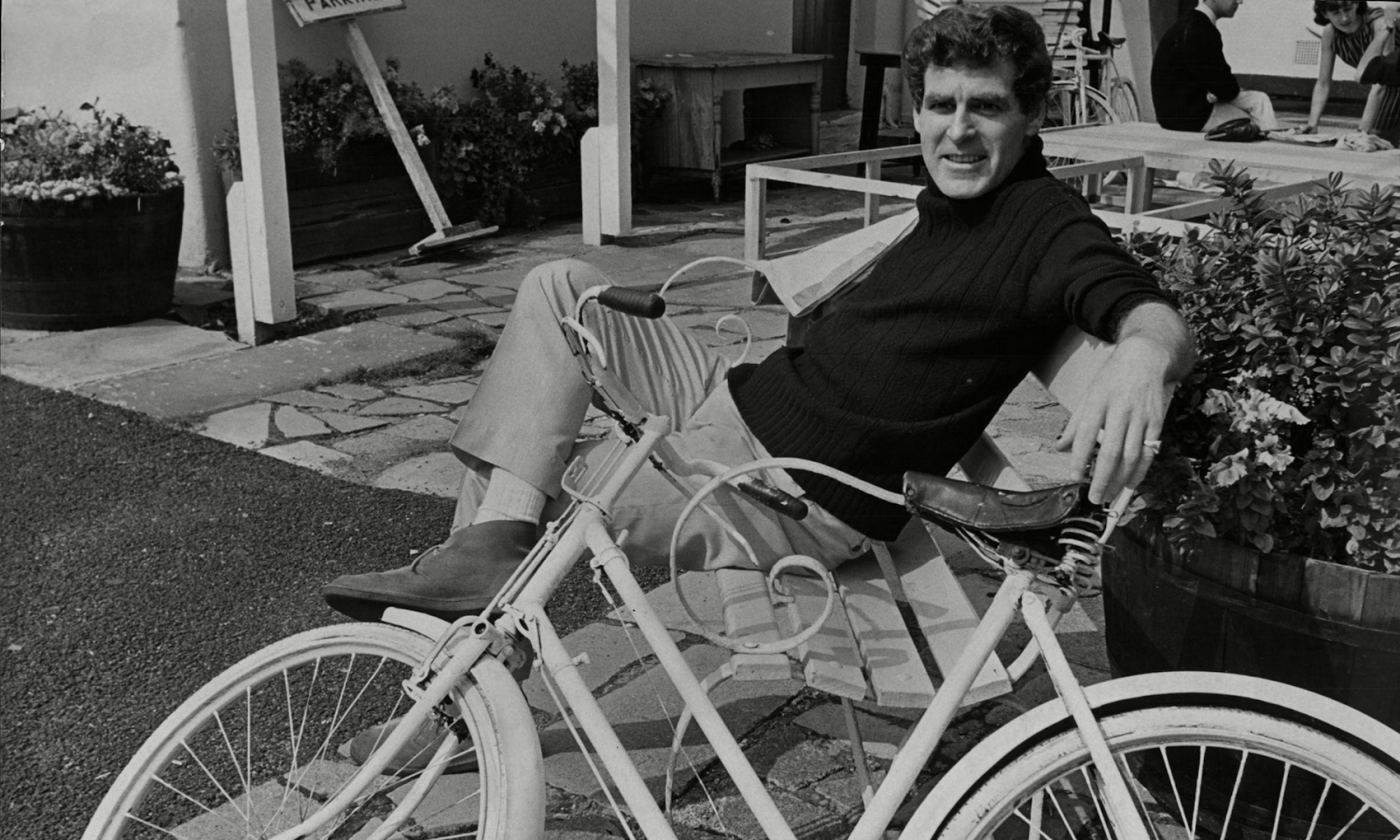
James Roose-Evans was a prominent British theatre director, priest, and author whose pioneering work bridged the gap between art and spiritual exploration. As the founder of several key performing arts initiatives, he forged a new vision for the stage, seeing it as a space for self-discovery, humanism, and creative freedom. Crucially, he managed to link the traditions of inter-war London with the dynamic energy of the new small theatres of the 1960s. Read more on london-trend.
Roose-Evans’ Early Life and Theatrical Journey
Born in London on November 11, 1927, James Roose-Evans was educated at Crypt Grammar School in Gloucester. His national service followed, where he spent eighteen months with the Royal Army Educational Corps, concluding his duties in Trieste, Italy, in 1947. In 1949, he enrolled in St Benet’s Hall, Oxford, to study English Language and Literature. Already nurturing a serious interest in theatre, the young student spent his holidays working as an actor in various repertory companies.
The early 1950s saw Roose-Evans make a decisive shift from acting to directing. In 1954, he took up the post of resident director at the Maddermarket Theatre in Norwich, a venue renowned for its innovative approach to Shakespearean productions. Just a year later, he was invited to the United States to lead the experimental studio theatre at the Juilliard School in New York—a unique institution where dance, drama, and music were treated as equally important art forms.
Upon his return to the UK, Roose-Evans joined the Royal Academy of Dramatic Art (RADA). At the Vanbrugh Theatre, he staged a series of landmark productions, from his own adaptation of John Milton’s Paradise Lost to Henri de Montherlant’s profound drama Port Royal. His staging of Dylan Thomas’s Under Milk Wood proved particularly popular, so much so that it was repeated every semester with a new cast.
In 1959, James Roose-Evans founded the Hampstead Theatre Club at Moreland Hall in London. This small, intimate venue quickly became a focal point for ground-breaking productions. The inaugural season opened with Siwan, a play by the Welsh dramatist Saunders Lewis, translated by Emyr Humphreys. The real breakthrough, however, came with the club’s presentation of the early works of the then-unknown Harold Pinter. The double bill of The Dumb Waiter and The Room received brilliant critical acclaim, notably from Harold Hobson in The Sunday Times.
Alongside his theatrical endeavours, Roose-Evans began to explore issues of faith, prayer, and meditation. He produced a series of televised epilogues for the BBC, sharing his spiritual reflections, and penned a weekly column on meditation for the Church Times newspaper. Following years of inner searching, he was ordained as an Anglican priest in Hereford Cathedral in 1981. He chose to serve without a stipend, combining his spiritual vocation with his artistic life in the theatre.
In 2015, Roose-Evans established Frontier Theatre Productions, a company specifically designed to support older actors in a “world obsessed with youth.” His goal was to demonstrate that the wisdom of age could be just as potent a source of inspiration as youthful vigour. The company’s first production was Marguerite Duras’ psychological thriller, The Lovers of Viorne, which was praised by critics for both the direction and the acting. However, financial struggles eventually led the company to cease operations. James Roose-Evans passed away on October 26, 2022.
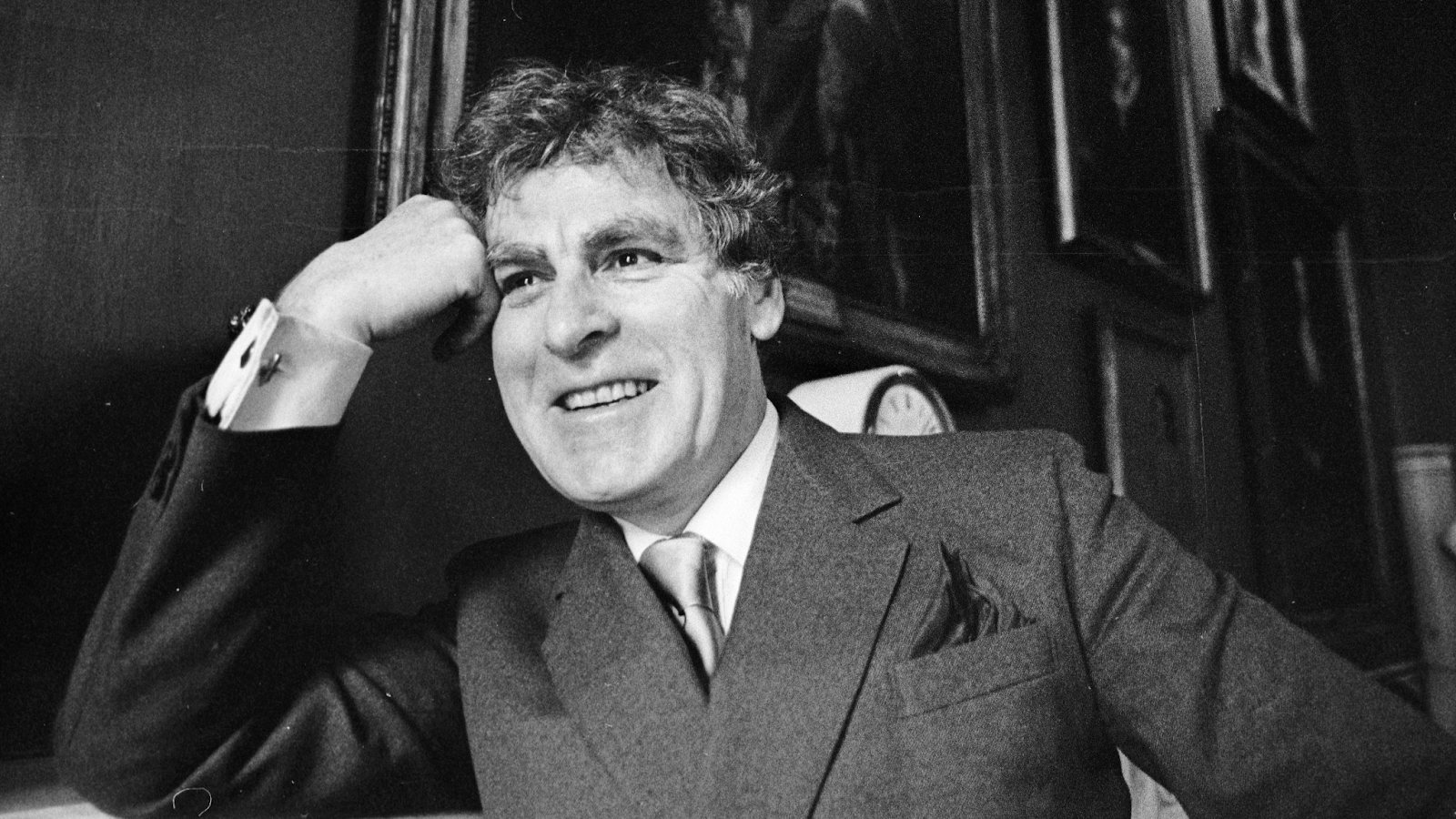
The Significance of Roose-Evans’ Directing Career
James Roose-Evans holds a unique place in British theatrical history, not just as a talented director but also as a thinker, spiritual mentor, and writer. The peak of his critical directing success was the hugely popular West End run of the play 84 Charing Cross Road. By founding the Hampstead Theatre Club (1959), the Bleddfa Centre for the Creative Spirit (1974), and Frontier Theatre Productions (2015), he created enduring spaces where art, the search for meaning, and humanism could converge.