Pushing the boundaries of contemporary performance art, Elastic Future has carved out a unique space where live theatre, digital media, and social interaction collide. While most theatre companies were merely trying to figure out how to adapt to the new digital age, Elastic Future was already staging productions in virtual reality. Their works on Google Hangouts became solid proof that the stage could be both live and digital simultaneously. Read more on london-trend.
The Founding and Evolution of Elastic Future
The experimental company Elastic Future was born in San Francisco in 2004. It was founded when Creative Director Mark Blinder and Artistic Director Erin Gill joined forces with a shared ambition: to radically reimagine contemporary theatre. Their goal was to make performing arts accessible to new audiences by taking the stage to places where it was least expected. One of the collective’s first major projects was ‘The Unauthorized Autobiography of Kim Deal’, staged in April 2006 at the Amnesia bar. The entirely fictional story explored the lives of Kim and Kelley Deal — the sisters from the bands The Pixies and The Breeders. It was a bold experiment that existed somewhere between a rock concert and a theatrical performance, probing the phenomena of celebrity culture and the myths that envelop public figures.
In 2007, Elastic Future presented ‘Beautiful Redux’, an updated version of their earlier work ‘Beautiful’ (2005). This piece was a powerful mash-up of cabaret, drag show, and avant-garde theatre, creating an eclectic and emotionally charged spectacle. SF Weekly described the production as “decadent, loud, and definitely entertaining.” It brilliantly showcased the company’s skill for blending pop-culture aesthetics with profound theatrical expression, challenging audiences to reflect on beauty, identity, and perception.
In 2011, Elastic Future made a significant move, relocating its operations to London. That same year, they collaborated with Magic Theatre to create the monumental five-hour production, ‘The Lily’s Revenge’ — a work by American playwright Taylor Mac. The piece served as a powerful reaction to the public debates surrounding California’s Proposition 8, which restricted the rights of the LGBTQ+ community. This vast project mobilised over 40 performers and six directors, seamlessly integrating circus, live music, dance, animation, and political satire.
A pivotal moment for digital theatre came in 2013 when Elastic Future presented ‘Peek A Boo’, a partnership with LIFT (London International Festival of Theatre). The narrative centred on two programmers, a webcam model, and agents from the NSA and GCHQ, whose lives became entangled in a networked world where the lines between privacy and control had completely dissolved. The action unfolded not on a physical stage but in the virtual space of Google Hangouts On Air. Critics universally hailed the project as “the world premiere of a new art form.”
In 2014, LIFT and The Space commissioned Elastic Future to create a new international interactive performance, ‘Longitude’, directed by Erin Gill. The company expanded its geographical reach, involving actors from London, Barcelona, and Lagos, Nigeria. The plot unfolded as a tense drama about a looming global conflict for control over freshwater resources and speculation amidst climate change. Just like its predecessor, Google Hangouts was the primary tool for interaction, transforming into a virtual stage, while social media became the conduit connecting the audience to the unfolding events.
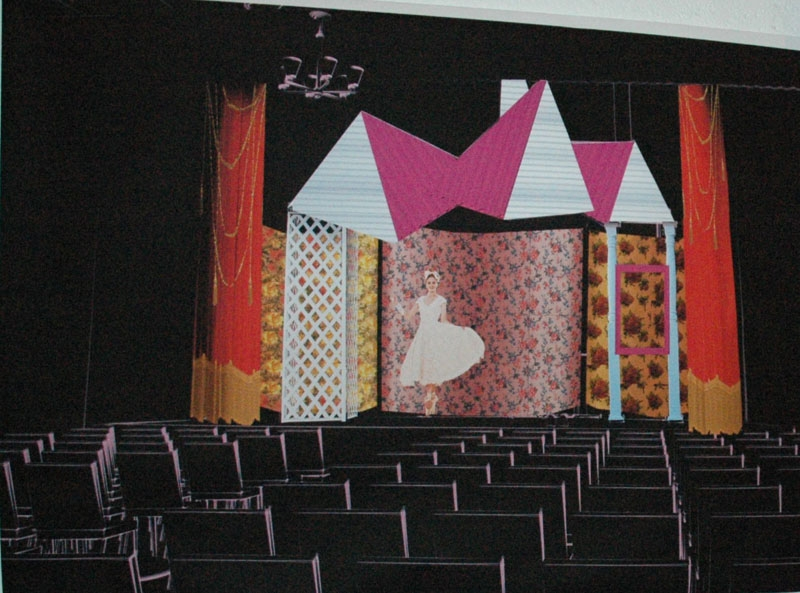
«The Lily’s Revenge», 2011
Recognition and Significance of Elastic Future’s Work
Elastic Future’s work definitively proved that theatre can thrive as a form of live, networked communication. The company has consistently stretched the concept of performance, fusing performance art, video art, and cutting-edge technology into a unified artistic whole. They embraced digital platforms as a stage long before online performances became commonplace. The work of these trailblazing enthusiasts has been discussed in leading arts publications across the US and the UK, with critics noting the collective’s “radical honesty, social sensitivity, and technological daring.”
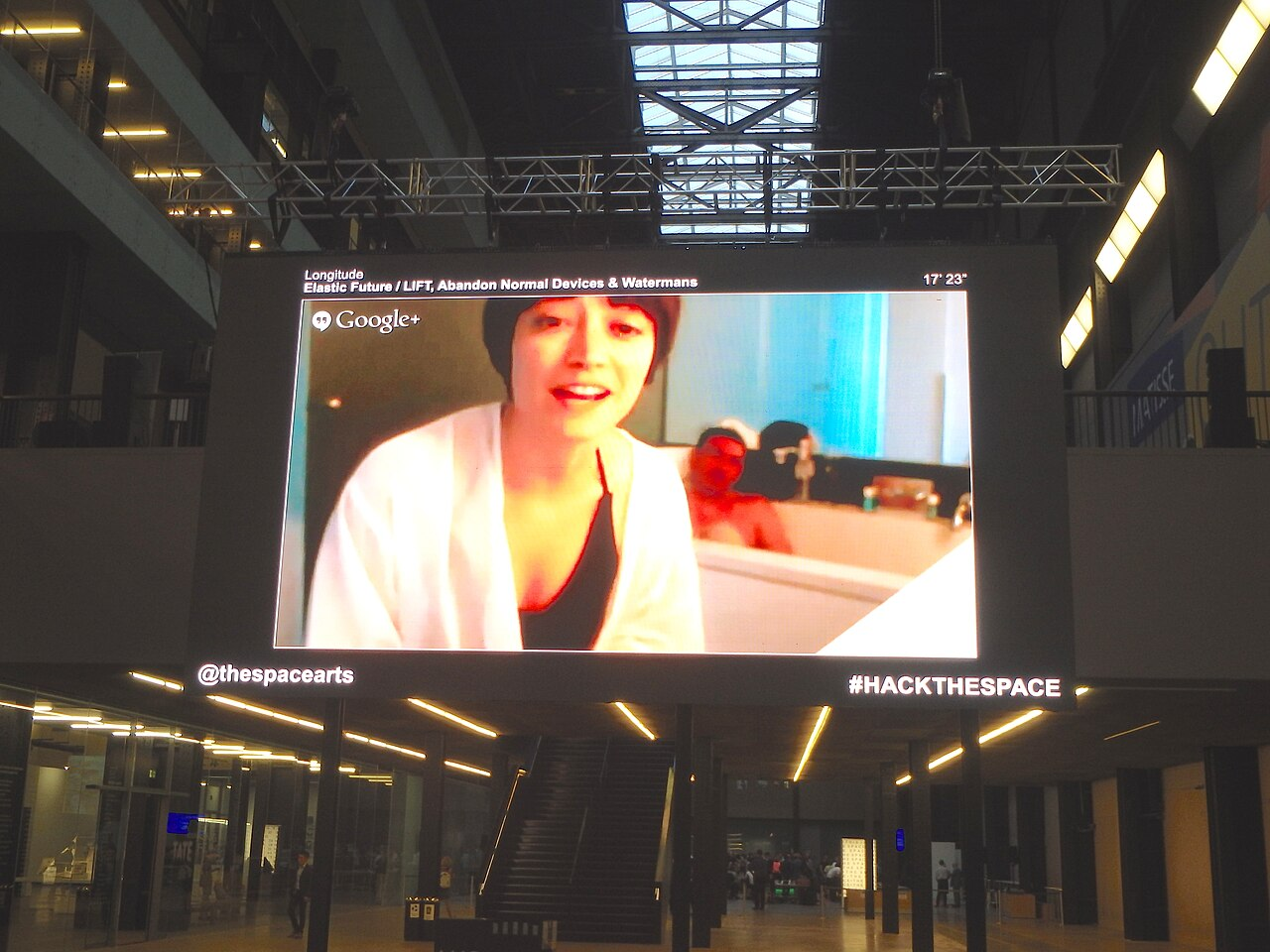
«Longitude», 2014