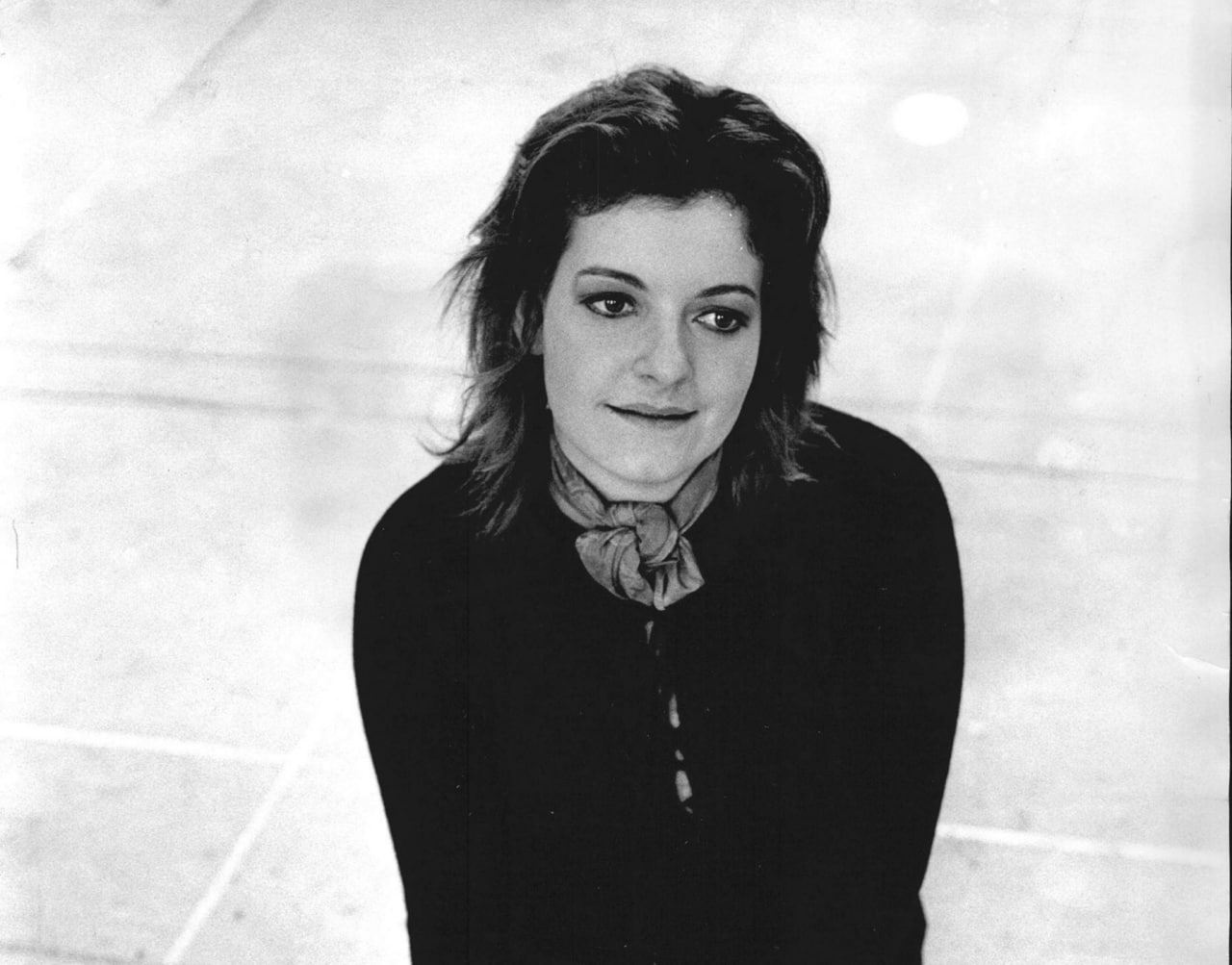
Her name has become synonymous with courage, experimentation, and the fight for a new voice in performance art. We are talking about Mary Ann Goodbody, a figure who permanently changed British theatre. As the first female director at the Royal Shakespeare Company (RSC), she boldly shattered traditional forms, striving to bring the stage closer to real life and make Shakespeare relatable and painfully modern. Bold, idealistic, and relentless, “Buzz” fused directorial instinct with political awareness, transforming the performing arts into a space for public dialogue. Read more on london-trend.
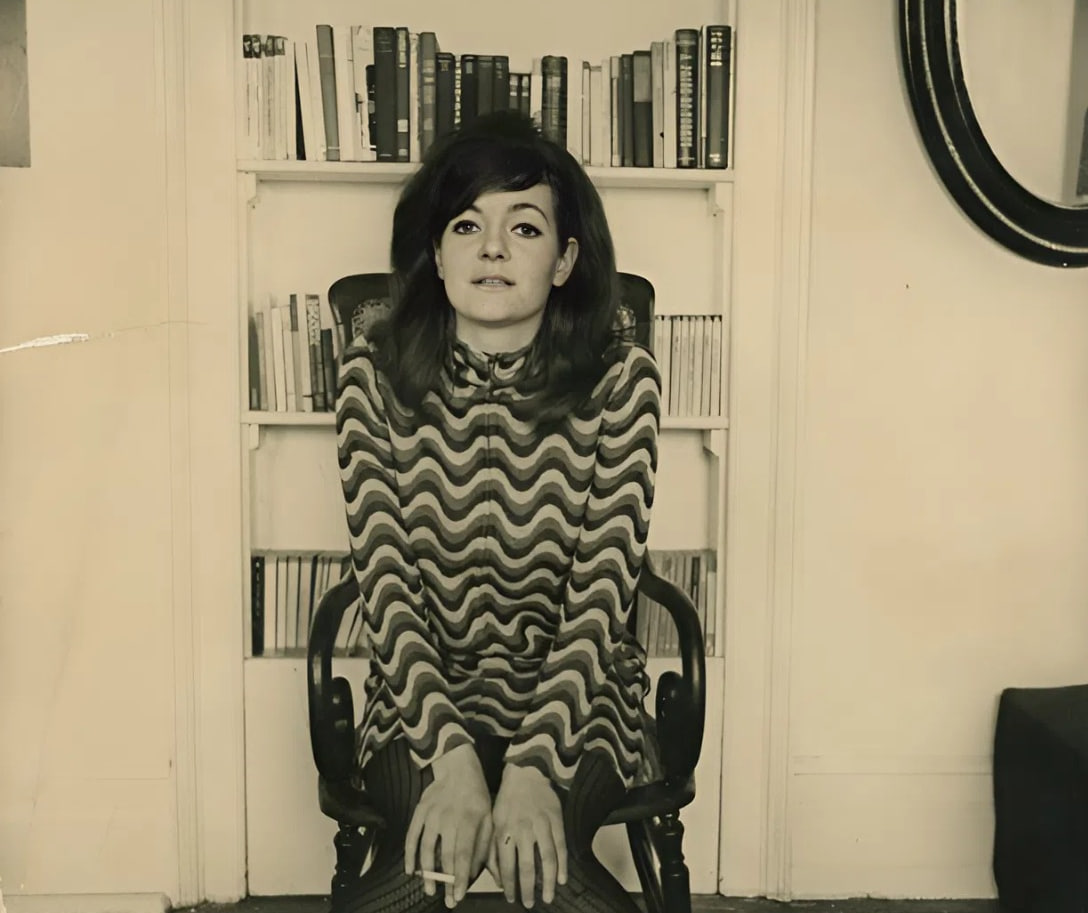
Early Life and Mary Ann Goodbody’s Theatrical Awakening
Mary Ann “Buzz” Goodbody was born on June 25, 1946, in Marylebone, London. Her father was a well-known barrister, and her mother was an actress by training. From an early age, the girl showed extraordinary liveliness and a keen interest in the arts. It was this restlessness that led her brother, John, to give her the nickname “Buzz.” At the tender age of six, she wrote and staged her first play, The Knave of Hearts. When American playwright Thornton Wilder visited the family, the young director entertained him with a puppet show. By the age of twelve, she had already seen most of William Shakespeare’s plays and had irrevocably fallen in love with the language and scale of his dramaturgy.
Distinguished by her academic success, Mary Ann Goodbody won a scholarship to the prestigious Rodine boarding school in Sussex. However, at sixteen, seeking freedom and independence, she left and chose not to enrol in the traditional universities of Oxford or Cambridge. Instead, the young artist opted for the innovative University of Sussex—a hub of intellectual pursuit, political activism, and creative experimentation. It was there that she found an affinity for left-wing ideas, became an active feminist, and definitively set her life’s calling in the theatre.
Mary Ann Goodbody’s Stage Development
In 1967, Mary Ann Goodbody became the first female director at the Royal Shakespeare Company (RSC), initially working as John Barton’s personal assistant. In 1969, she officially took up the post of assistant to Terry Hands and joined the experimental Theatregoround project, which aimed to create intimate versions of William Shakespeare’s plays for a broad audience. Her versions of King John and Arden of Faversham caused a significant stir. King John, in particular, was an example of audacious direction: critics hailed it as “rebellious, energetic, full of life.”
In 1970, Mary Ann Goodbody, along with director Lily Susan Todd, co-founded the Women’s Street Theatre Group—a collective that sought to bring the ideas of the women’s liberation movement directly to the public. They performed not in classic theatres but on streets, markets, and in shopping centres, where ordinary people could see them. In 1971, during the Festival of Light in London, “Buzz” and the theatre group members took part in a counter-demonstration against conservative family values. She was eventually arrested by the police and issued a fine.
In 1974, Mary Ann Goodbody staged her first major production—a radical adaptation of King Lear for the RSC. Her resources were limited to nine actors and a budget of £150. Striving to eliminate the distance between the stage and the audience, “Buzz” ordered the seating to be arranged on three sides and the balcony to be transformed into a space for monologues. In her programme notes, she anticipated criticism for “dismembering” the text but explained that her goal was to unlock the emotional power and radicalism of William Shakespeare for the younger generation. Ultimately, critics praised the director’s innovative thinking, dynamism, and the topicality of her theatrical language.
The zenith of Mary Ann Goodbody’s creative output was the production of Hamlet (1975). In this work, she delved even deeper into the political dimension of the classic text, focusing on themes of power, doubt, and personal responsibility. Yet, behind the brilliant professional success lay exhausting work and intense internal strain. After many days of technical rehearsals and preparations for the premiere, which was just a few days away, “Buzz” returned to the London house she shared with friends. She said she was “desperately tired” and wanted to “sleep for a long time.” On April 12, 1975, her friend Susan Todd, worried by her absence, entered her room and discovered that Mary Ann Goodbody had died from an overdose of sleeping pills.
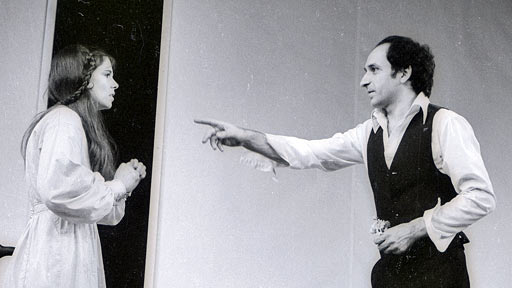
«Hamlet», 1975
Recognition and Significance of Mary Ann Goodbody’s Directorial Work
Mary Ann Goodbody entered the history of British theatre as the first woman to hold a staff directing position at the Royal Shakespeare Company. One of her main contributions was the idea of creating an experimental theatre within the RSC, where independent artists could perform, and the audience could include those who could not or did not want to attend traditional productions. “Buzz’s” works, such as King Lear and Hamlet, became a blueprint for an innovative approach to the classics, merging intellect, political sensitivity, and deep emotionality. Although some perceived her suicide as a sign of brokenness and defeat, in the modern context, she is recognised as an iconic figure whose courage and vision were ahead of their time.