


The Exploding Cinema collective has been instrumental in reviving and reimagining London’s underground film tradition. Defying a monopolised system, the group proved there was a hungry audience for experimental audio-visual work. More on london-trend.
The origins and evolution of Exploding Cinema
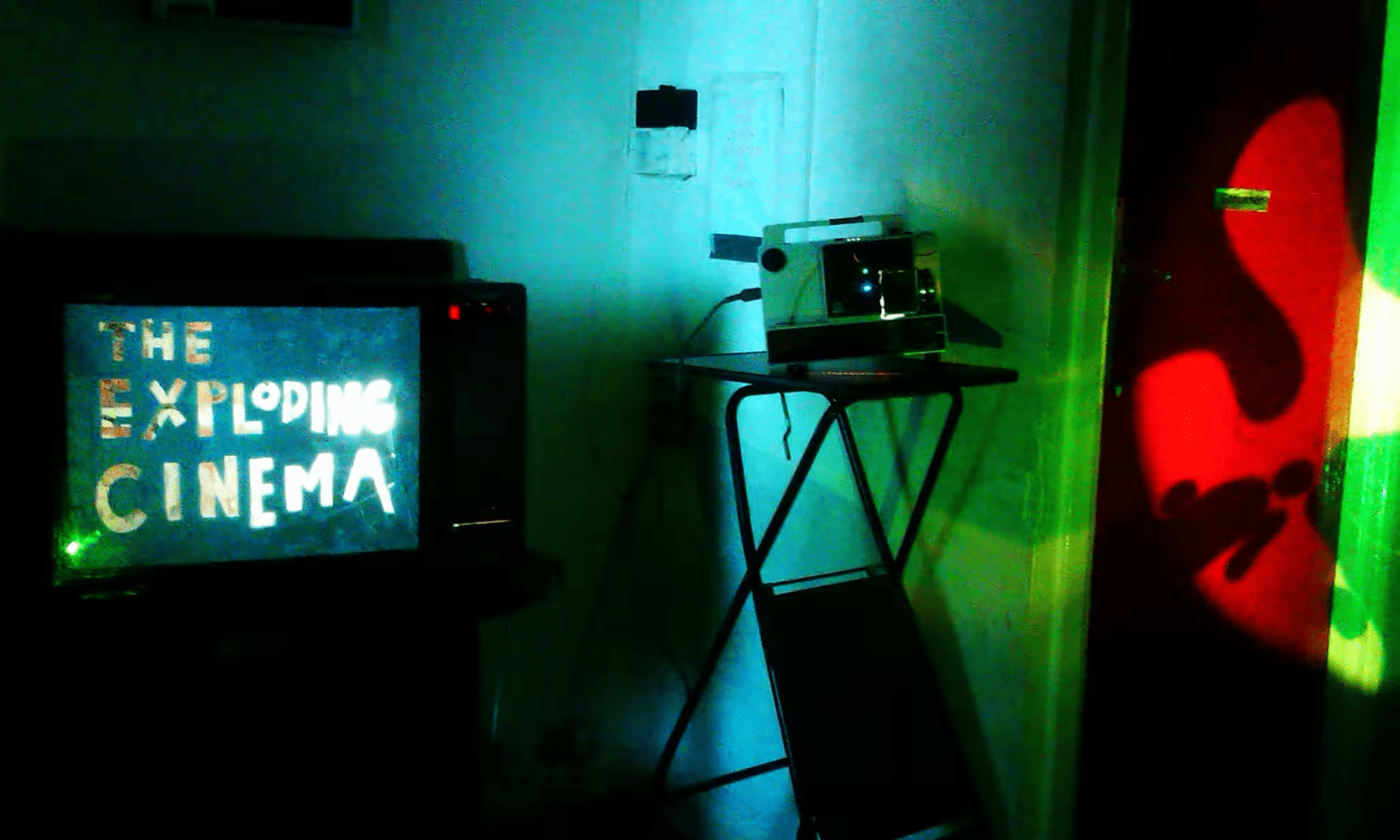
Founded in London in 1991, the Exploding Cinema collective first set up shop in the derelict CoolTan Suntan Lotion factory. The venue became a sanctuary for creators rejected by both the commercial and independent audio-visual establishments. Their mission was clear: to unite the scattered and isolated voices of the cinematic underground.
Rather than simply complaining about the system’s flaws, Exploding Cinema built an alternative. They offered a relaxed environment where audiences didn’t just watch films; they socialised, debated with directors, and became part of the creative process. Operating on an open-access “first come, first screened” basis, the programme gave anyone the chance to showcase their work.
Rejecting the sterile atmosphere of art-house cinemas, the collective took film to unconventional spaces like cafes, pubs, and squats. In doing so, these enthusiasts created a vital platform for low-budget and no-budget filmmaking—a hotbed of raw creativity that lacked a public stage. They championed underground artists whose voices were ignored by mainstream screens.
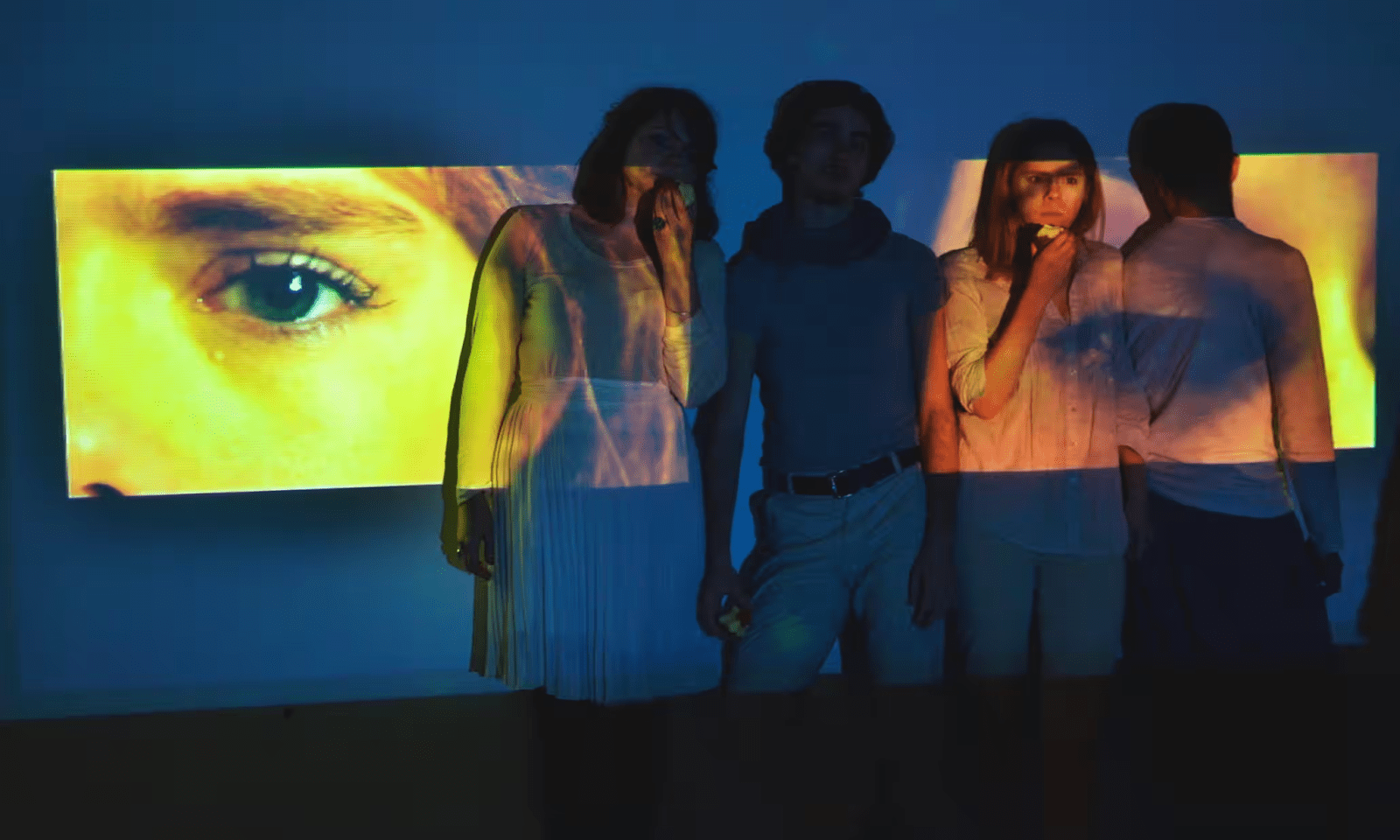
By 1994, the collective was managed by a core group of six to eight people. Refusing to be tied to a single location, they took over venues such as The Union Tavern, Zap Club, Rivoli Ballroom, Catherine Grove, and The Duke of Edinburgh. These immersive spaces provided a unique multi-sensory experience where the film was just one part of the vibe. In this informal setting, viewers could lounge on cushions, move around freely, chat, and grab a drink.
In 1996, Exploding Cinema joined VOLCANO, London’s first international underground film festival since the 1960s. Moving through various events, they staged screenings in Fashion Street warehouses, the Oval House theatre complex, and the 333 Club. By 1999, the project evolved into the D.I.Y (Do It Yourself) festival, culminating in an event that brought all participating groups together.
In 2011, Exploding Cinema celebrated its 20th anniversary at the Dogstar pub—free of stars, grants, or pretension. Reflecting on their journey, members noted they had proven a vital point: cinema can thrive without state funding. They observed that while the capital’s short-film scene was monopolised by a closed circle of academics and bureaucrats in the 90s, their democratic, inclusive approach offered a viable alternative to the official system.
The Guardian
Legacy and cultural impact
Exploding Cinema successfully broke down the barriers between “elitist” film and the general public. Over several decades, they screened thousands of low-budget and no-budget films in abandoned factories, car parks, rooftops, drained swimming pools, and churches. These enthusiasts provided a platform for a generation of experimental directors, including Jennet Thomas, Arthur Still, Phil Tarrago, Chris Banker, and Sandi Kolar. Taking their show on the road, they organised screenings across Ireland, the Netherlands, Belgium, France, Luxembourg, Germany, the Czech Republic, and Australia.
The Guardian