


Kino Club, an independent arts platform, has successfully breathed new life into British amateur and home movies. Thanks to this initiative, 16mm films have transcended their status as mere historical artefacts to become vital material for contemporary creative discovery. More on london-trend.
The Origins and Evolution of Kino Club
In 1985, David Leister launched a live music and film platform called Kino Club. Before its official debut, he hosted screenings for friends in a rented co-op house. There, he shared his growing collection of 16mm films, providing a running commentary that aimed to entertain as much as inform. However, the domestic setting had its drawbacks; after every session, Leister found himself clearing ashtrays and empty bottles from his bed. The final straw came when he discovered a cigarette butt on his pillow, prompting him to seek a more professional venue for his cultural ventures.
Kino Club soon found a new home on the first floor of the Two Eagles pub in London. The programme was a vibrant mix of Leister’s own work, archival finds, improvised music, and cabaret elements. Acting as both projectionist and master of ceremonies, he narrated the screenings and musical sets via microphone. While some critics dismissed his style as an “annoying voiceover,” it was precisely this spontaneity and interaction that forged the club’s unique atmosphere.
David Leister’s personal projects were central to the Kino Club experience. In 1985, he premiered “Wind Up,” one of his first short films. Drawing on the aesthetics of early silent cinema, the piece utilised an animated approach to movement and obsolete printing and processing techniques. The loose narrative served primarily as a playground for experimenting with the physical properties of film—dust, plastic, and the patterns dancing from the projector onto the screen.
By 1998, Leister was presenting eclectic showcases of British home movies spanning the 1930s to the 1970s. Digging deep into his archives, he unearthed a series of 16mm reels that had rarely been seen by the public. These evenings were further enhanced by the Dutch duo The Easy Alohasi, who provided a soundtrack using vintage vinyl records.
To mark the 30th anniversary of the Moon landing, Kino Club embarked on a celestial journey through otherworldly archival films. Audiences were treated to titles such as “The Lost Planet,” “Russian Dogs in Space,” and “Sootys’ Spaceship.” Leister kept the energy high with his lively commentary, broadcast from his “mission control” in the projection booth.
In 2004, Leister released “Medicine Box.” The film features a bathroom cabinet being opened while hands restlessly rearrange, remove, and add medicine bottles to the collection. Reflecting on personal experience, he explored the profound power of a small pill to alter a human life. The filmmaker aimed to provoke thought on the thin line between medical necessity, habit, and addiction.

LUX
“Medicine Box”, 2004
The Legacy and Impact of Kino Club
Kino Club played a pivotal role in democratising access to private film archives. Its notable events included “Splice at Torriano Meeting House,” “A Brief History of Home Cinema,” “Armchair Cinema,” “Kino PpizZa!” and “Kino Club in Orbit.” By collaborating with various artists and musicians, the community pushed the boundaries of traditional screenings through immersive installations and bespoke projection techniques.
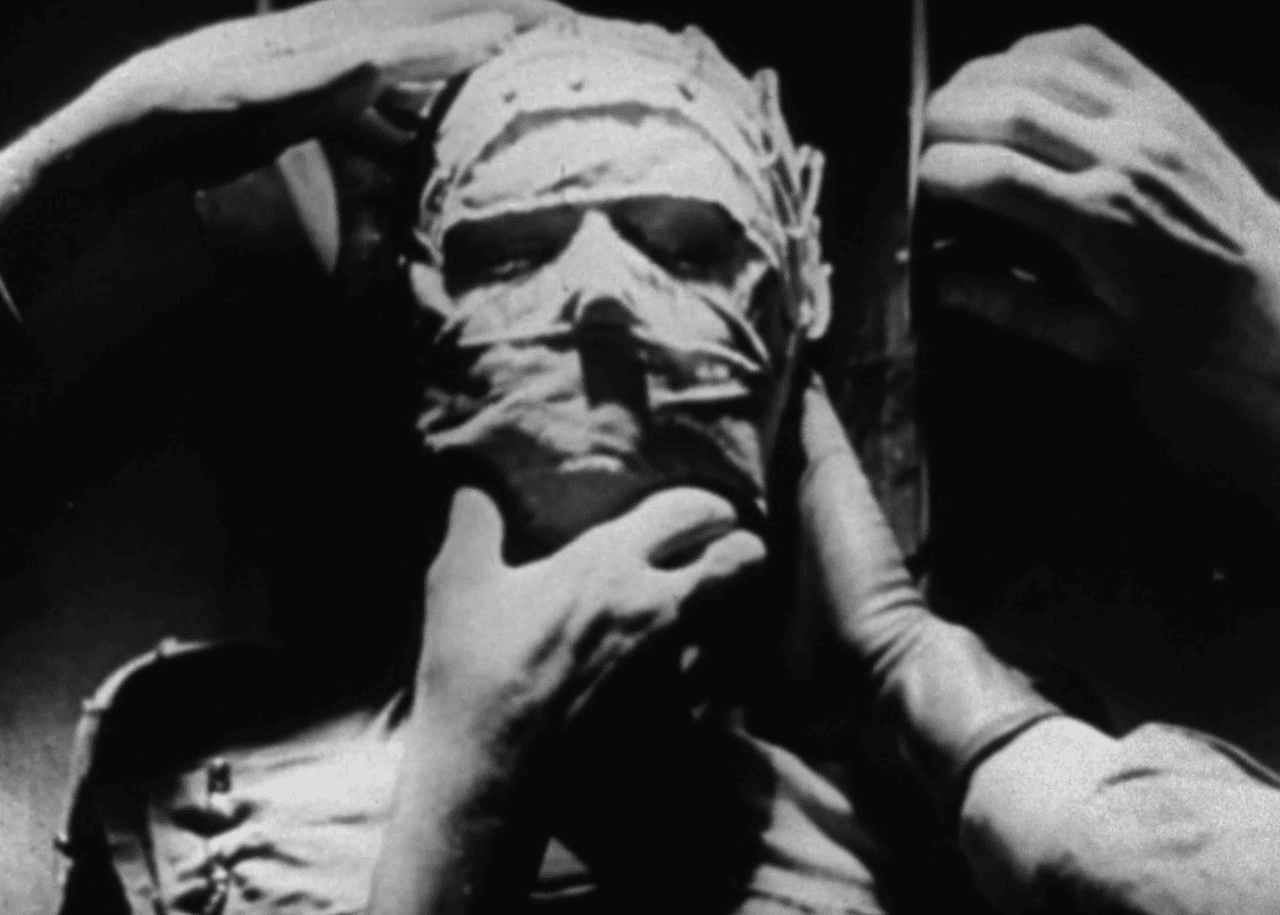
LUX
“BOF”, 2016