The Rock Garden was far more than just a basement club; it was a magnet for experimental talent. It quickly evolved from an unassuming venue into a legendary stage where new musical paths were forged. Here, the raw energy of punk rock, new wave, and post-punk thrived, alongside dozens of alternative genres that would later influence an entire generation of artists and listeners. Read more on london-trend.
The History and Development of The Rock Garden
In 1976, The Rock Garden, a basement club, opened right in the heart of Covent Garden. It soon became a seminal spot for the burgeoning alternative music scene in the UK. From the outset, its organisers aimed to explore the potential of the new, experimental music rapidly captivating the country. Like many other small entertainment businesses, they probably hoped for a quick profit, unaware they were creating a legendary venue.
The Rock Garden quickly earned a reputation as a platform for the freshest and most radical musical directions of the era. Punk rock, new wave, post-punk, and other unconventional genres found refuge here, able to develop away from the mainstream. Famously, Talking Heads played their first UK gig here on May 13, 1977. Soon after, U2 chose the venue for their London debut, while Dire Straits performed there weekly for several months. On March 23, 1983, The Smiths also made their first London appearance on its stage.
At its peak, The Rock Garden became an indispensable stop on many bands’ touring circuits, with its name regularly gracing the pages of leading music publications. The club’s frequent presence in magazines and newspapers like NME, SOUNDS, and Melody Maker confirmed its status as a significant player in shaping musical trends. At the same time, the presence of punks in the heart of the capital provoked criticism from tabloids, who never missed an opportunity to highlight any negative incidents within the subculture.
In the 1990s, The Rock Garden underwent a transformation. Renaming itself The Gardening Club, it shifted into a nightclub focusing on rhythmic music. This new format brought modern technical equipment: a powerful sound system, lighting effects, a performance area, and a spacious dance floor. Furthermore, the venue changed its focus from live music to a club night atmosphere, leaving behind its past as a stage for alternative artists.
The Rock Garden’s story finally concluded in 2010 when Apple opened a flagship store on its site. The new three-storey space became one of the company’s most expensive projects in the UK, symbolising a shift in eras – from industrial creativity to digital culture.
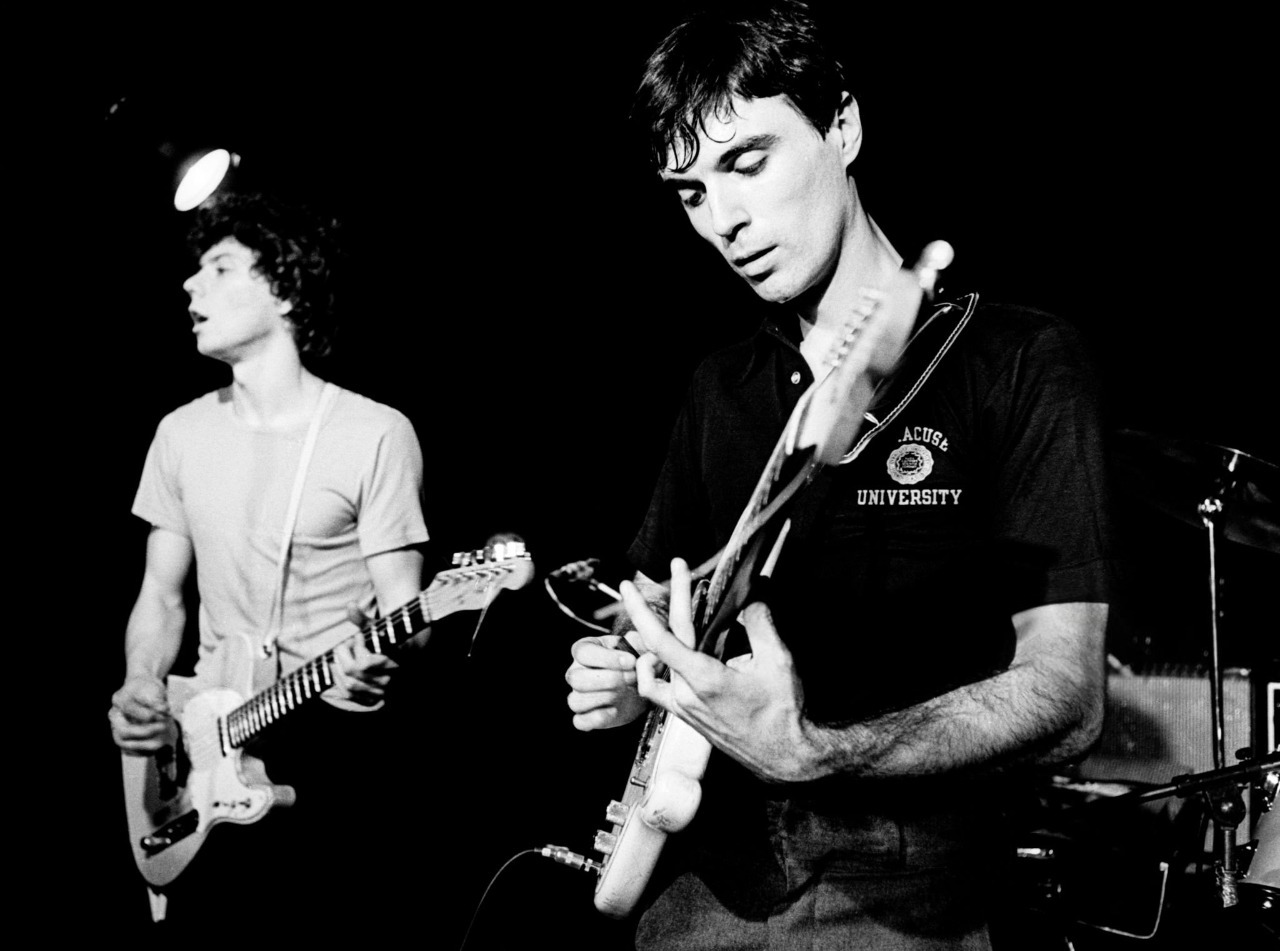
Talking Heads concert, 1977
Recognition and Significance of The Rock Garden’s Impact
Since its opening, The Rock Garden hosted over 30,000 concerts, establishing itself as one of Covent Garden’s most famous venues. It maintained an incredibly busy schedule, with live events almost every night, making it a dynamic and indispensable hub for London’s cultural life. The club was among the first to champion punk rock, new wave, post-punk, and all forms of musical expression that challenged established norms. Its walls saw performances from alternative scene stalwarts like The Police, XTC, Patti Smith, Adam and The Ants, and Legacy of Lies. Additionally, the club served as a vital springboard for countless regional bands who hadn’t yet secured record deals but were eager to make their mark in front of industry representatives. Its enduring legacy lies in its role as a crucible for innovation, shaping the sound of a generation and leaving an indelible mark on the British music landscape. The Rock Garden truly was where the future of music took its first, raw steps.

Концерт The Gas, 1982