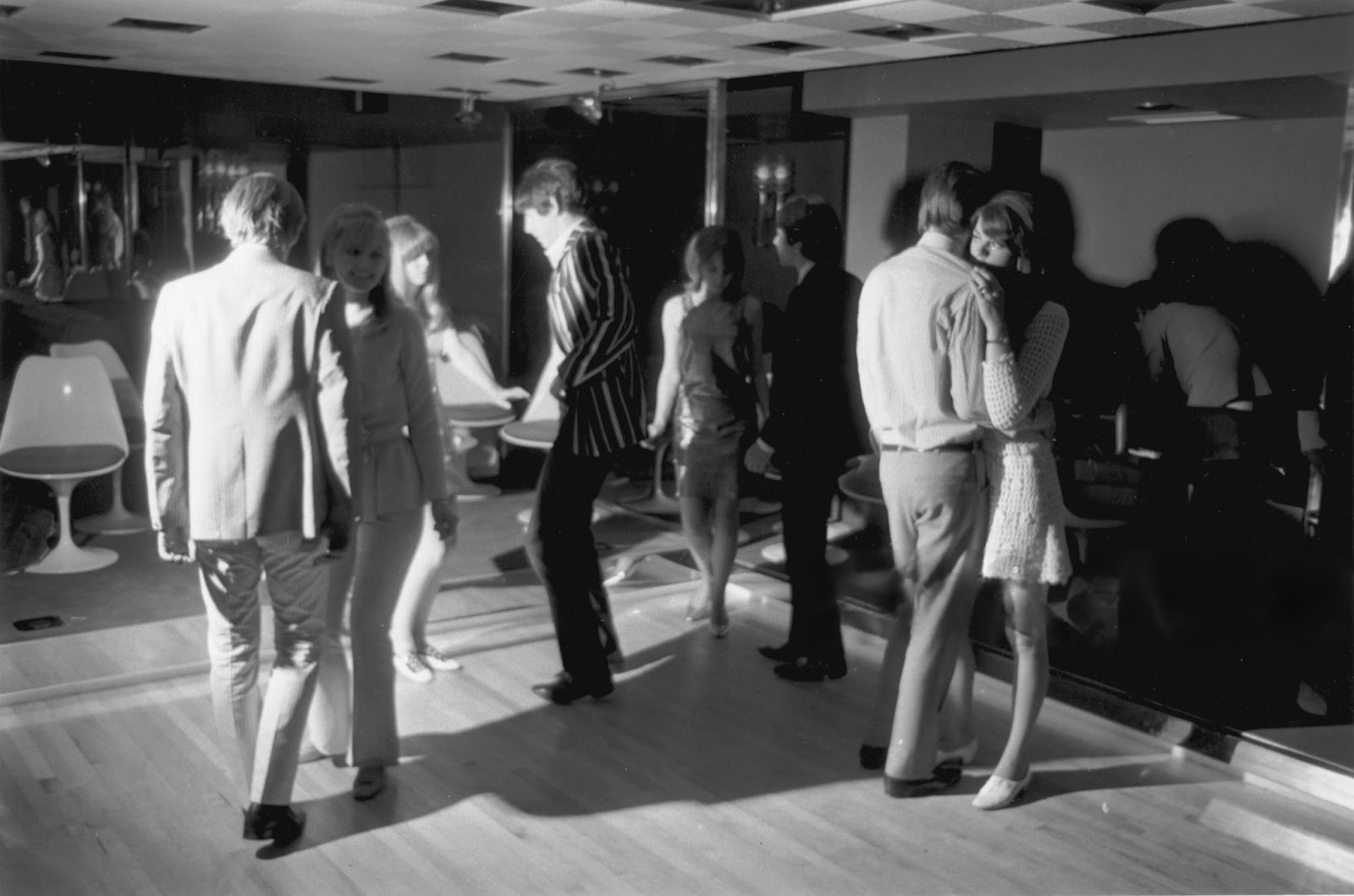
The nightclub Sibylla’s didn’t just reflect the aesthetics of “Swinging London”; it actively shaped the rhythm and style of a new generation. Unlike traditional gentlemen’s clubs, it defied the norms. This was a space where social mobility transitioned from an abstract idea to a tangible reality. Read more on london-trend.
The Genesis and Rise of Sibylla’s
Sibylla’s nightclub opened its doors on June 22, 1966, in London. Its grand opening was marked by a private party, drawing a dazzling array of guests, featuring icons of British culture and fashion. Among those invited, members of The Beatles and The Rolling Stones garnered the most attention. The guest list also included actors such as Michael Caine, Julie Christie, and Jane Birkin, as well as luminaries from the fashion world like David Bailey, Mary Quant, and Michael Rainey. One British journalist noted in her article that it was “hard to imagine a more brilliant guest list.”
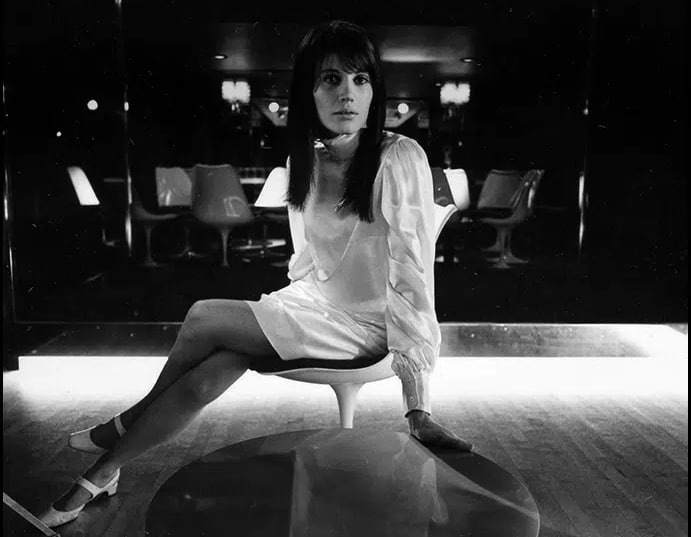
The concept behind Sibylla’s nightclub set it apart; it didn’t focus on traditional status markers like background or wealth. Its founders — Kevin MacDonald, Terry Howard, and Bruce Hyem — aimed to create an environment for creative young people, stars, and innovators. The club’s name came from Sibylla Edmonstone, who herself epitomised the capital’s social scene. Meanwhile, David Mlinaric deliberately designed an imperfect interior to underscore spontaneity and modernity.
Over time, Sibylla’s nightclub became a symbol of an era where cultural expression began to outweigh inherited status. According to cultural historian Shawn Levy, it represented a breaking of established norms: entry wasn’t granted through aristocratic connections, but rather by how well a person embodied the spirit of the times. This approach paid off – hundreds flocked to become part of the community, even with membership fees.
However, the glittering era of Sibylla’s nightclub also had its darker sides. In October 1966, one of its founders, Kevin MacDonald, tragically took his own life by jumping from a London rooftop. According to journalist Stephen Turner, his death was one of the first tragic signs of the hidden dangers within psychedelic culture. Psychoactive substances were widely used among the creative youth, but their long-term consequences hadn’t yet been properly understood.
Sibylla’s nightclub’s influence gradually waned. In 1968, its manager, Laurie O’Leary, left to join the new, more popular club at the time, Speakeasy. In the same year, Sibylla’s itself ceased operations. As Shawn Levy noted, the reason was the fickle nature of fashion among the “In Crowd” – the privileged creative community that quickly lost interest in yesterday’s trends.
With the passage of time, the former premises of Sibylla’s nightclub took on new significance. In 2016, a new club called Aristocrat opened on the site, known for having one of London’s strictest entry policies, surpassing other similar venues in exclusivity. This demonstrates that the demand for exclusive, fashionable spaces for the chosen few still remains relevant.
Recognition and Significance of Sibylla’s Activities
The cultural impact of Sibylla’s nightclub extended far beyond its physical existence. Its owners deliberately opened their doors to young people from artistic and working-class backgrounds, fostering a unique blend of experience, influence, and style. It was here that new visual images were forged, thanks to the presence of photographers like David Bailey. It was here that new musical influences emerged, with performances by young bands such as Jokers Wild and Pink Floyd. And it was here that new horizons opened up, reflected in art, culture, and politics.