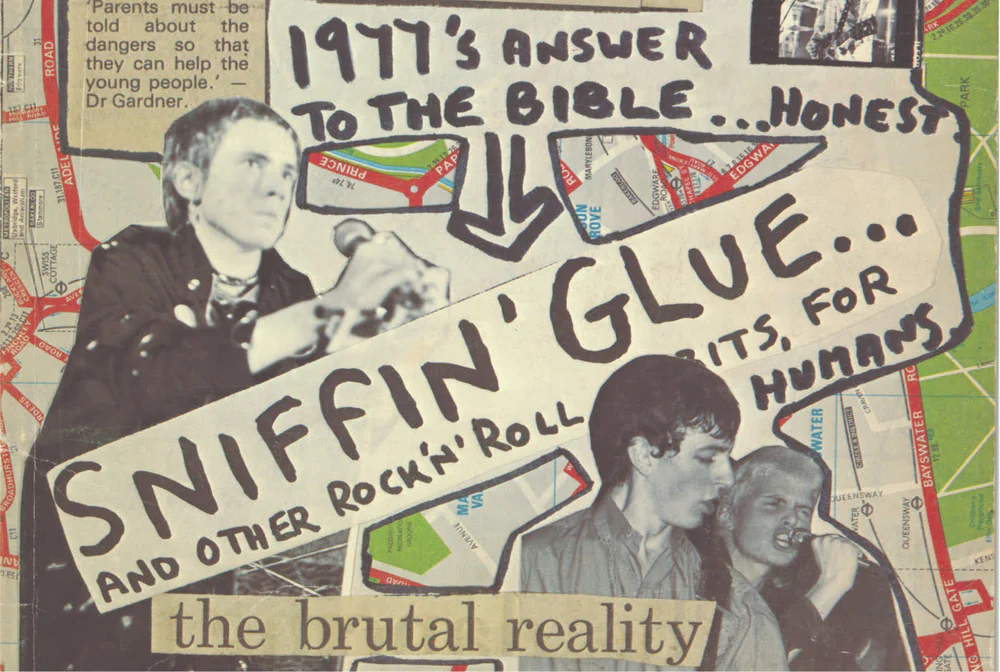
The fanzine Sniffin’ Glue became a unique chronicle and catalyst of the punk era, an explosive force where music, style, and protest merged. Its pages were filled with raw energy, its layout deliberately imperfect. In creating it, Mark Perry launched a publication that didn’t just reflect punk culture but became part of it—a symbol of freedom and radical DIY spirit. Read more on london-trend.
The Founding and Rise of Sniffin’ Glue
In the summer of 1976, a London bank clerk named Mark Perry had a life-changing moment. Inspired by the energy and audacity of punk rock, and particularly the Ramones’ song Now I Wanna Sniff Some Glue, he created his own music fanzine in just a few days. This homemade creation was the epitome of the DIY culture. Using whatever materials he could find, Perry put together a rough draft of handwritten text, scrawled drawings, and collages cut from newspapers.
With an initial run of just 50 copies, the first issue of Sniffin’ Glue was a manifesto of sorts. There were no compromises or polished phrases—only direct calls to action: “Get instruments, form bands, print your own magazines!” For Mark Perry, punk wasn’t just a new musical style; it was a complete rethinking of how culture is made. He worked with literally whatever was at hand: a typewriter, ink, scissors, glue, and a stack of A4 paper.
Sniffin’ Glue quickly gained a following among young people eager to feel the pulse of the new scene. By the third issue, it had established itself as the leading chronicle of the punk movement. Its pages featured interviews with key figures, including The Damned, The Sex Pistols, and Iggy Pop. Despite its growing popularity, the fanzine’s aesthetic remained unchanged: it was still printed on ten A4 sheets, assembled and distributed by hand.
By February 1977, Sniffin’ Glue had firmly cemented its reputation as the authoritative voice of the burgeoning British punk scene. The seventh issue showed it was ready to move beyond the usual topics, exploring not just the punk scene itself but its intersection with other musical genres. The central figure of that issue was Don Letts, a cultural provocateur and DJ who had built a reputation for his legendary sets at The Roxy club.
By the summer of 1977, Sniffin’ Glue found itself at a crossroads. Feeling that it was losing its initial edge, Mark Perry decided to steer it back towards a more focused and uncompromising path. The tenth issue, released in June, featured interviews and articles on Chelsea and Johnny Moped, showcasing how the punk sound was evolving as the scene matured. A review by the editor of The Clash’s performance at the Rainbow Theatre also drew significant attention.
The twelfth issue of Sniffin’ Glue was both its peak and its final chapter. Edited by Danny Baker, it captured the British punk scene at a moment when it teetered between its raw energy and an ever-growing commercialisation. Mark Perry’s weariness with the process was palpable in its pages, but so was his determination to go out on his own terms. Despite his internal disillusionment, the magazine achieved record success, selling over 20,000 copies.
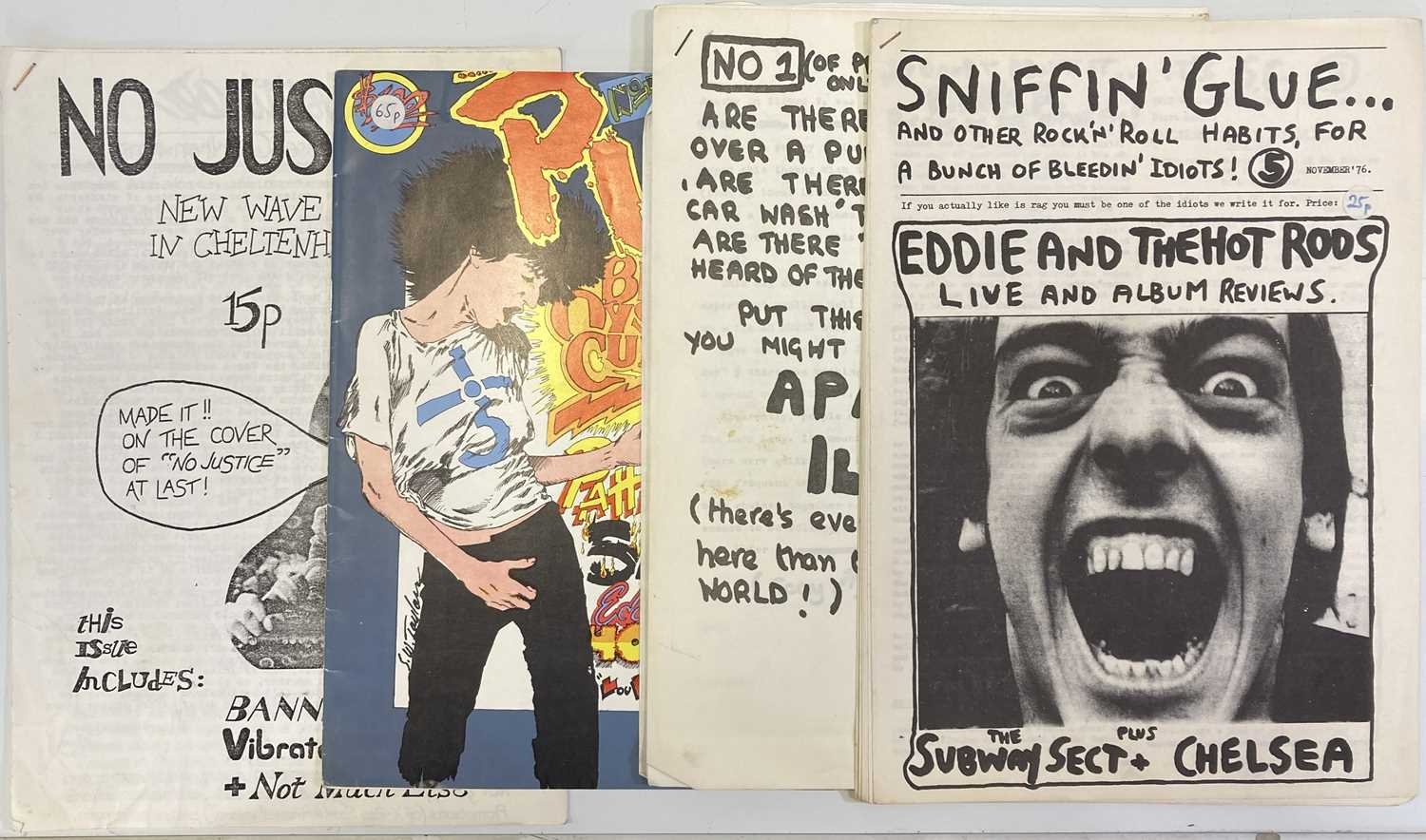
The Legacy and Significance of Sniffin’ Glue
Sniffin’ Glue rapidly became the authoritative and influential voice of the British punk scene in the latter half of the 1970s. Its pages combined energetic reviews, interviews, and reports on the lives of punk bands, including The Clash, The Sex Pistols, and The Damned. The handwritten text, rough cut-outs, and vivid photos by punk photographers like Jill Furmanovsky and Erica Echenberg created a unique atmosphere. The magazine’s closure after just 12 issues was as much a punk gesture as its creation. Today, it is a treasured cultural relic, with original copies known to fetch four-figure sums.