


Theatre as a concept has existed for a long time and was popular among audiences of different eras. A lot of large-scale events, social upheavals and changes, bloody wars and worldview modifications have taken place in different countries since then, but the drama still attracts modern audiences. People travel from different parts of the world in search of new emotions and impressions from watching performances. Theatre connoisseurs visit London as well because it is home to one of the most famous theatres in the world, the Royal Opera House. Its sophistication and aristocracy impress not only tourists but also British VIPs. Learn more at london-trend.
THE HISTORY THROUGH CENTURIES
The history of the Opera House is fascinating and tragic at the same time. It has witnessed a huge number of global changes and upheavals. Its current look is actually the third attempt to rebuild the theatre. The first building was presented and officially opened in 1732. Then the first premiere took place here, it was The Ways of the World by William Congreve. At that time, only two theatres had the opportunity to show dramatic performances in London, which included the Royal Opera House (according to the permission of King Charles II, which he granted in 1660).
For a long time, the masterpieces of world-famous playwrights were staged there. However, the building was destroyed during a fire in 1808. One of the most famous tragedies of William Shakespeare, Macbeth, can be called “rehabilitation” for the theatre because it was the first performance in the newly built building that took place a year after the horrible fire. It was a hard time for the place, as the construction turned out to be quite expensive and the administration even tried to raise ticket prices, but, due to mass dissatisfaction, this idea was rejected. Nevertheless, the theatre overcame all difficulties and was reconstructed in 1847 and even changed its name.
FURTHER HISTORY OF THE BUILDING AND ITS MODERN VIEW
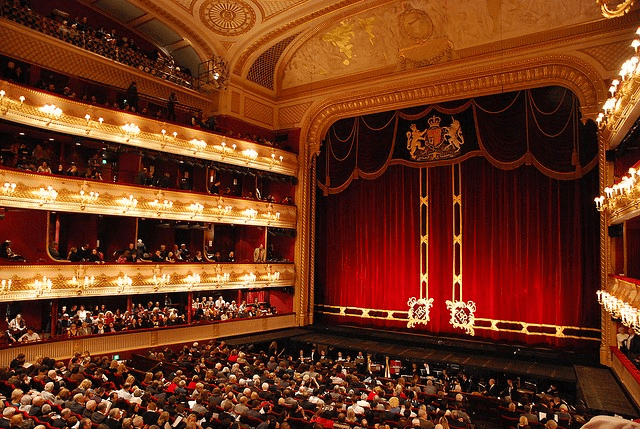
Almost ten years later, the building burned down again. It took two years to design and build the new one. The renovated Opera House was opened in 1858 for the third time. It also experienced hard times during the First World War, when it served just as a warehouse. During the Second World War, the theatre was converted into a dance hall. The place renewed its original drama activity in 1946 when the play Sleeping Beauty took place on the stage. The building can boast that since the second fire, it has never been destroyed during the wars, but it underwent a large-scale restoration in the late 1990s. During such reconstruction, some parts of the building were changed completely. The main hall of the Royal Opera House is the only chamber that has preserved its original appearance since its construction in 1858.
COMBINATION OF HISTORICAL VALUE AND MODERN TECHNOLOGIES
After such a global reconstruction, the theatre halls were equipped with the latest examples of technology. It can be said that the theatre acquired a completely different, but truly modern look. A vivid example is Linbury Studio, which serves as one of the halls and features the presence of automated theatrical devices. The hall is located underground and supports various event formats. There are retractable seats, a stage and an orchestra pit that can be raised or lowered at any time. Its total seating capacity is 400 people. This place is ideal for holding small-scale events such as exhibitions, educational celebrations, concerts and theatrical shows.
Other halls were also improved. In particular, the main studio was added with screens attached to the chair backs where you can see the opera libretto and a large screen was placed above the proscenium to show the credits. However, the management went further and created a game, which offers the gadget’s owner to participate directly in the performance implementation. Show Must Go On (the name of the game) is designed to show all the tasks that need to be done before the actors go on stage. The player can help find costumes and props, create a light show and sheet music and then watch their creation in video format. Moreover, even those who can’t buy a ticket can watch the performance on the street screens. People meet to have fun together and enjoy opera or ballet in a park or square. You can find such locations on the interactive map on the theatre’s website.
THE ROYAL OPERA HOUSE OFFERS VISITORS WITH IMPECCABLE PERFORMANCES AND FOOD
It may seem a bit strange, but the theatre can also offer a wide variety of dishes to fit every taste. The building is home to many of London’s best restaurants. For example, on the first floor of the building with glass panoramic windows, visitors have the opportunity to discuss the performance they just watched with a glass of champagne or simply meet with friends and taste some snacks. However, if you like more interesting and original food, you should visit Piazza. Here, dishes convey the atmosphere of the theatre world and some of them are made of ecological products. Probably, one of the most popular is the Royal Opera House Cafe. Unlike others, it works every day regardless of the performance show-time. Here, you will not find a large number of hot and cold dishes, but you can taste a variety of sandwiches, fresh salads, hot drinks and incredibly tasty desserts during the day and cocktails in the evening. In addition, you can have a rest in a historic interior with a wide range of modern drinks at Dorfman Conservatory. It is a bar that is also available to people who don’t have a ticket to the show and it doesn’t require reservations in advance.
You can ceremonially walk up the stairs or majestically wait for the elevator to get up to Balconies Restaurant, which can present you with incredible gastronomic pleasure. Its menu consists of the best dishes of modern British cuisine. The restaurant is located on the basement floor of Paul Hamlyn Hall. If you have a desire to have dinner while watching a performance, you can do it in the gold-covered Crush Room. Its menu includes specially developed dishes, which can be prepared with quality and speed. Just imagine crystal chandeliers, 17th-century Flemish works of art and a cup of tea with the most delicious dessert ever. Under such conditions, you can even feel you accidentally turn into a duke or duchess. The restaurant also has a wide variety of hot dishes. If you came to the Royal Opera House to watch a performance and just want to have a glass of something refreshing during the break or to quickly satisfy your hunger, Linbury Bar has something to offer. Here, you can have some snacks and a glass of your favourite drink. This is a good option for those who aren’t used to combining eating or drinking with watching a play.