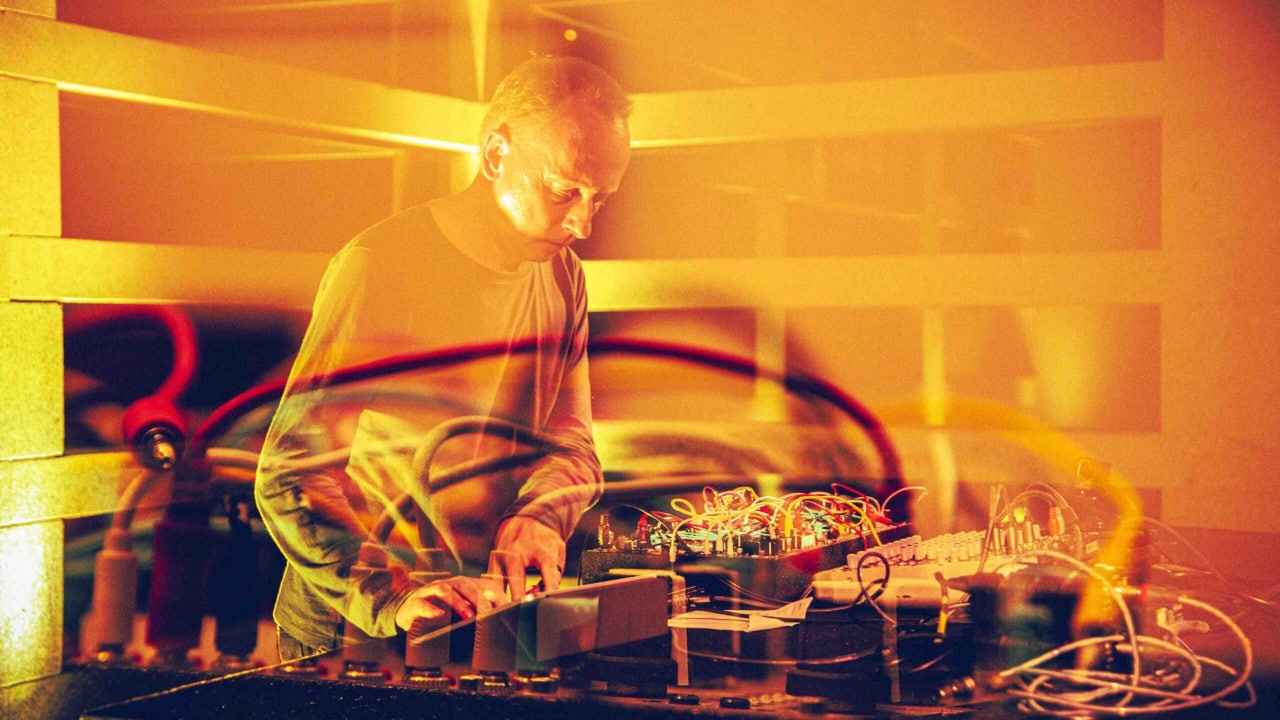
Through his unique approach to sound and space, Robin Rimbaud has established himself as an innovator in electronic art, expertly balancing music, installation, and performance. Working under the moniker Scanner, he rose to prominence by using intercepted mobile phone conversations and police scanner transmissions in his live shows. This allowed the sound artist to create audio collages that transcend conventional genre boundaries. Read more on london-trend.
Early Life and Artistic Journey of Robin Rimbaud
Robin Rimbaud was born on May 6, 1964, in Southfields, London. From an early age, he showed a keen interest in avant-garde literature, cinema, and music, which later shaped him into an experimental artist. While learning to play the piano, at the age of 11, he encountered the groundbreaking work of John Cage, a pivotal moment in his musical development.
In his youth, Robin Rimbaud enrolled at Kingston University in Surrey, where he earned a Bachelor’s degree in English. It was during his student years that his active musical career began: together with a fellow student, he founded The Rimbaud Brothers project, which soon evolved into the band Dau Al Set. Their initial recordings, demonstrating a penchant for experimental sound, were released on cassette in the early 1980s.
Around 1992, Robin Rimbaud made a breakthrough in his work when he acquired a scanner and began integrating intercepted phone conversations into his music. This approach caused a public stir and laid the groundwork for his artistic identity as Scanner. The sound artist’s debut CD, Scanner, was released in 1992 on Ash International, a subsidiary of the renowned London-based Touch Music. In collaboration with Mike Harding, he released a number of further records that solidified his reputation as an innovator in electronic sound art.
In 1994, Robin Rimbaud co-founded one of the first online magazines, I/O/D, with Matthew Fuller and Graham Harwood, at a time when the World Wide Web was just gaining traction. During this period, he also launched a series of regular music events called The Electronic Lounge, held at the Institute of Contemporary Arts in London. These events combined performances by groundbreaking labels and fostered a unique space for electronic culture in an atmosphere of open dialogue, guided by the sound artist until 2000.
2008 marked several important milestones for Robin Rimbaud. These included an honorary presidency at the Qwartz Music Awards, composing music for the theatrical show Kirikou & Karaba (EMI), and presenting the large-scale audiovisual event Of Air and Eye at the Royal Opera House. In the same year, the sound artist developed the sound concept for the Philips Wake-Up Light – an innovative device that awakens users with natural sounds and light.
In 2017, Robin Rimbaud created the audio accompaniment for the architectural object Vex, designed by the Chance de Silva studio. This integration of art and residential architecture was a finalist for the RIBA House of the Year award and was featured on the popular TV programme Grand Designs in 2018. One of the sound artist’s most recent significant achievements was the presentation of his audiovisual work Esprits de Paris, created back in 2002 in collaboration with American artist Mike Kelley. Proving to be a brilliant example of contemporary media art, it secured a place in the permanent collection of the Centre Pompidou in Paris in 2024.
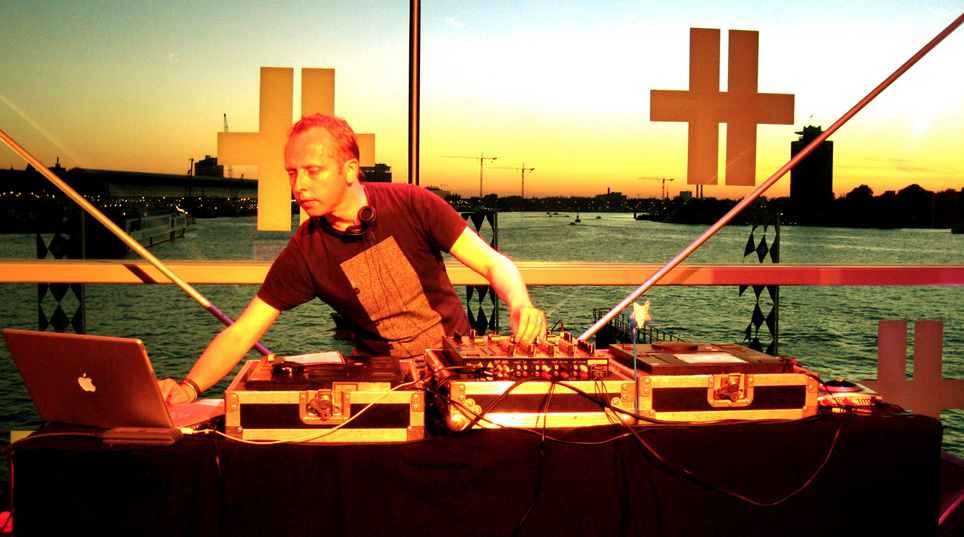
Recognition and Significance of Robin Rimbaud’s Experimental Music
Robin Rimbaud’s influence remains notable in a number of seminal works, such as Mass Observation, The Garden is Full of Metal, and An Ascent, all highly acclaimed by critics for their bold artistic vision and experimental nature. His projects are held in permanent collections, including the Science Museum in London, the Museum of London Docklands, and the Scottish Fisheries Museum. Throughout his career, the sound artist has actively collaborated with leading figures from the worlds of art, fashion, and architecture, including Brian Ferry, Laurie Anderson, Michael Nyman, Stella McCartney, Steve McQueen, and many others.