The Roxy carved out a significant niche in British music history as London’s first dedicated punk rock club. At a time when most mainstream venues turned a blind eye to the burgeoning movement, it was The Roxy that provided a crucial space for its development. The club’s most celebrated period, the “100 Nights,” spanned several months and served as a launching pad for an entire generation of musicians. Read more on london-trend.
The Genesis and Rise of The Roxy
In 1970, a Covent Garden warehouse in London underwent a transformation, becoming the Chaguaramas Club, a gay nightspot. It was founded by music producer Tony Ashfield, known for his work with the renowned reggae artist John Holt. Together, they established a record label named after Chaguaramas Bay in Trinidad.
By late 1976, the venue was once again at the centre of attention. Driven by musician Gene October, three enthusiasts – Andrew Czezowski, Susan Carrington, and Barry Jones – decided to breathe new life into the spot, reimagining it as a stage for emerging bands. Thus, The Roxy was born, becoming the UK capital’s inaugural hub for punk culture.
The Roxy’s premises were compact but perfectly suited for concerts, featuring two levels, a dance floor, and a bar. The new venue’s first events kicked off in December 1976. The debut gig on December 14th featured Generation X, followed by The Heartbreakers the next evening, and just a few days later, Siouxsie and the Banshees alongside Generation X took to the stage. The club’s official grand opening was on January 1st, 1977, with performances by The Clash and The Heartbreakers. This historic moment was captured by director Julian Temple, with the documentary footage first revealed to a wider audience in the film The Clash: New Year’s Day ’77.
In March 1977, The Roxy hosted a themed event titled “American Week,” welcoming artists like The Heartbreakers, Wayne County, and The Electric Chairs to its stage. The raw energy of these performances was immortalised in the live album Live At The Roxy, which captured the club’s most electrifying moments. The compilation featured tracks from bands such as Slaughter & The Dogs, Johnny Moped, Unwanted, X-Ray Spex, and Adverts. Produced by Mike Thorne, the album soared into the top twenty of the UK charts in 1977.
However, The Roxy’s success had a flip side. On April 23rd, 1977, Andrew Czezowski was forced to step away from the project due to financial disputes, as the club’s owners accused him of unpaid rent. It was during Siouxsie and the Banshees’ performance that evening that frontwoman Siouxsie Sioux announced from the stage that the club, as everyone knew it, was ceasing to exist. Following this, much of the regular audience stopped frequenting the venue.
The change in management at The Roxy after its symbolic “100 Nights” of operation in April 1977 marked the end of an era. Despite drawing attention from the press, TV crews, and the wider music scene, the club couldn’t withstand commercial pressures. The new management attempted to keep it running, but without its original punk identity. By the spring of 1978, the venue ultimately declined and ceased to exist as a cult landmark for that generation’s music movement.
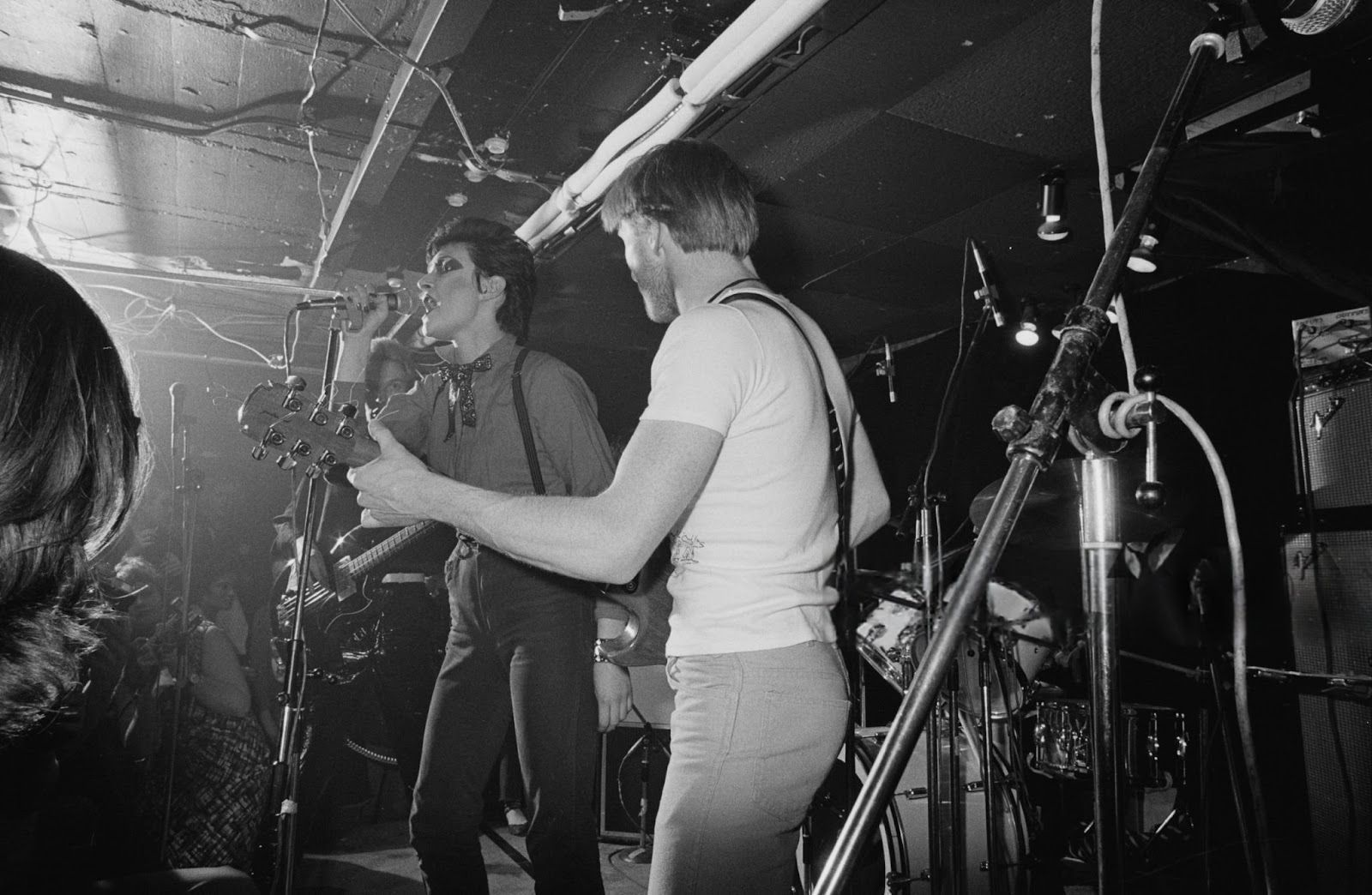
Siouxsie and the Banshees concert, 1977
The Roxy’s Legacy and Significance
It was at The Roxy that punk finally solidified into a distinct cultural phenomenon, complete with its own aesthetic, ideology, and approach to life. The Clash, Siouxsie and the Banshees, The Police, Buzzcocks, XTC, and many others all found their initial stage in this very club. Despite its modest size and brief existence, it garnered attention from both the British and international press. The venue’s immense contribution has been chronicled in numerous documentaries, books, and music compilations, allowing new generations to immerse themselves in the atmosphere of that pivotal scene.
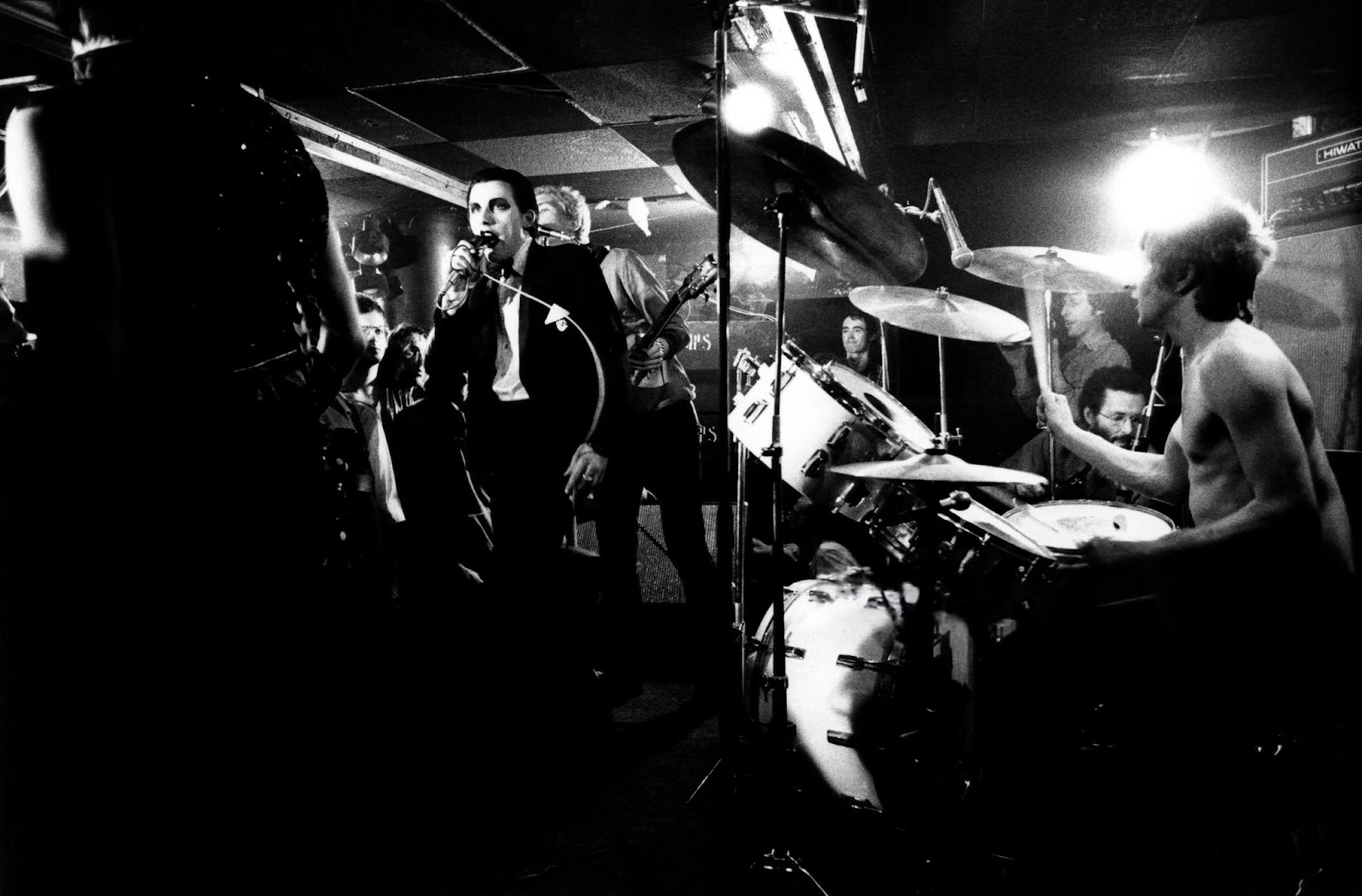
The Damned concert, 1977