


The independent cinema movement in the UK took off in the 1930s. Then the Film Society Movement took on the task of developing and supporting a new art direction among the general public. One of the first-class institutions for popularising arthouse, short films and documentaries in London used to be the Paris Pullman arthouse cinema. Quickly establishing its superiority over others, it united a new creative generation. Learn more at london-trend.
History of the foundation and development of the Paris Pullman cinema
The conversion of one of London’s sports halls in the Royal Borough of Kensington and Chelsea began in 1910. The following year, the Radium Picture Playhouse entertainment centre appeared in its place. From 1947, it continued to function as Bolton’s Theatre Club focusing on showing films. Its membership allowed everyone to stage plays that were prohibited by the Theatres Act 1843. The institution’s first public performance, Leslie and Sewell Stokes’ Oscar Wilde, took place in 1948. However, in 1953, the theatre held its farewell performance of Dr John Bull with John Louis Mansi. Most of the theatre’s productions were subsequently transferred to the West End, which was known for its rich theatrical life. They involved Jack McNaughton, Denholm Elliott, John Wise, Jesse Evans, Martin Boddey and others.
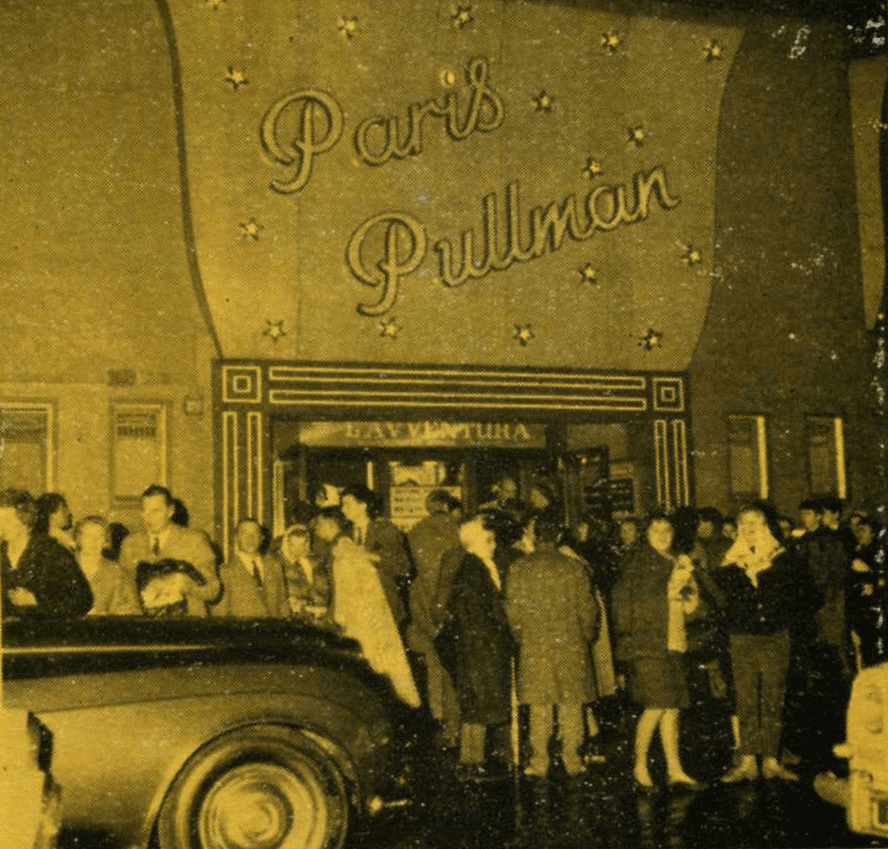
In 1955, the theatre was taken over by stage and screen representatives Charles Cooper, James Quinn, Brian O’Sullivan and Ralph Stephenson. Charles Cooper was the founder of Contemporary Films, the oldest independent film distribution company in the UK. Having started its activities in 1951, the company became one of the leaders in the country’s film production. As Charles Cooper developed it in the direction of popularising arthouse, short films and documentaries, he and his associates transformed the acquired theatre club into the Paris Pullman cinema. Later, Contemporary Films also acquired the Phoenix Cinema and the Phoenix Picturehouse.
The new institution began to offer visitors modern foreign films. Thus, the Paris Pullman cinema formed an audience from the bohemian population of the neighbouring district of Earl’s Court and the Chelsea area. The institution managed to return to its original idea in the 1960s, when new social and cultural trends transformed it into a leading centre for arthouse cinema. The Swinging Sixties, with the end of the death penalty, divorce reform and the legalisation of homosexuality, brought a new creative generation to the venue.
In 1983, the Paris Pullman was sold for redevelopment due to declining attendance. It was eventually replaced by the Pullman Court housing estate, designed by British architect Frederick Gibberd in the modernist style. Still, Contemporary Films continued to support the Phoenix Cinema and the Phoenix Picturehouse, which continued to promote niche cinema.
The Bill Douglas Cinema Museum
Recognition and significance of the Paris Pullman’s activity
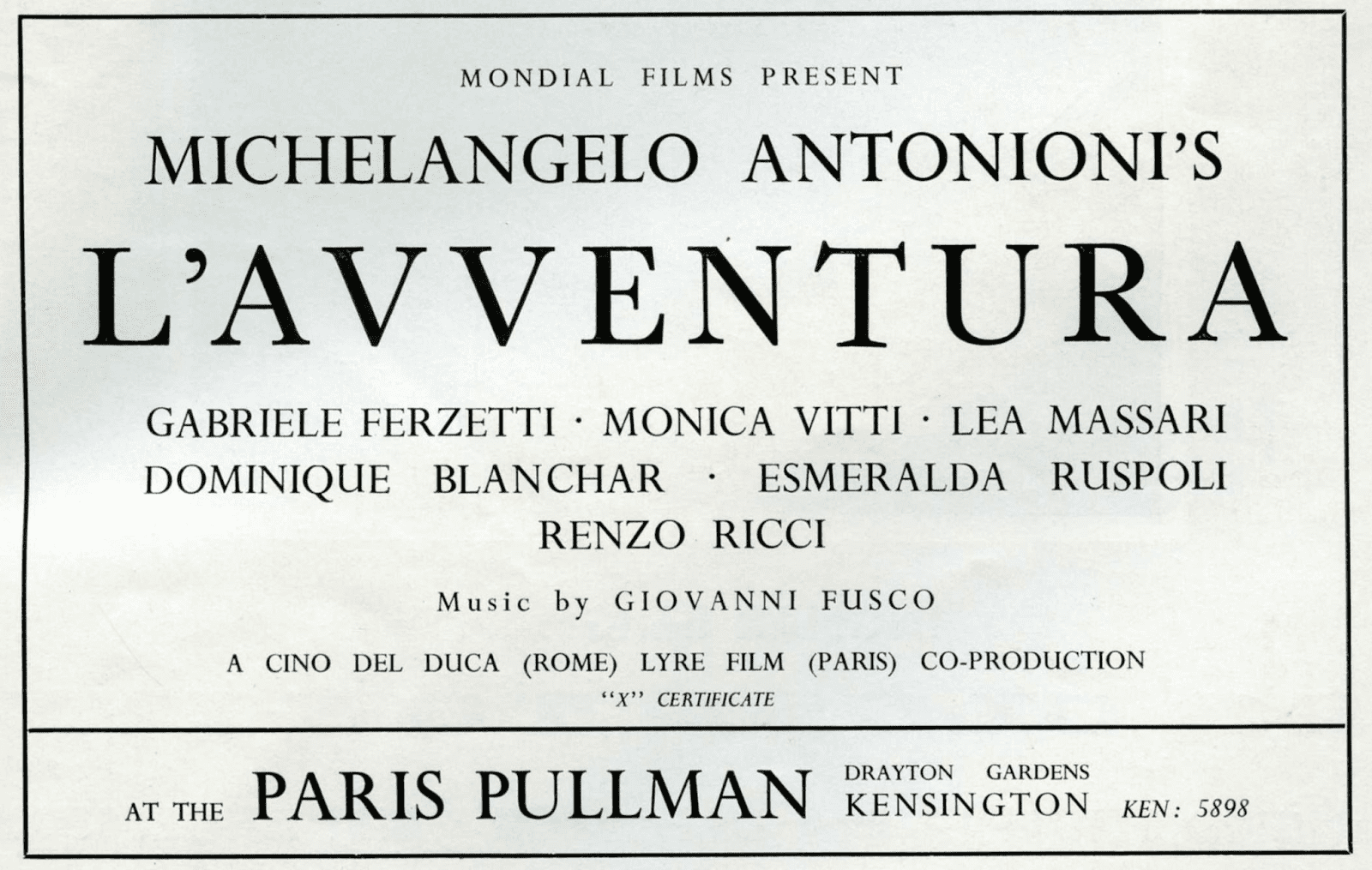
Over almost 30 years of independent operation, the Paris Pullman cinema has gone from popularising box office cinema to arthouse films. Its screen has shown the works of Michelangelo Antonioni, Ingmar Bergman, Bernardo Bertolucci, Robert Bresson, Roman Polański, Andrei Tarkovsky, Yasujirō Ozu and other independent directors. Although the glorious 1960s of the cultural institution are over, its contribution to the development of interest and awareness of the British youth in the original art remains invaluable.
The Bill Douglas Cinema Museum