


London’s history resembles a thick book, each page of which reveals a special and unique story to the reader. All its chapters are filled with incredible emotions and feelings. A lot of attention is paid to the chapter revealing the history of the city theatres. Each one has its own beautiful and inspiring, but sometimes complex and tragic story. The Criterion Theatre also had its own path to success. This place combines all the perfections of theatrical and architectural art. Learn more at london-trend.
THE HISTORY THAT IS DIRECTLY RELATED TO ART
The history of the theatre began with an unusual architectural idea. Initially, the building itself wasn’t intended to be a theatre. In 1870, architect Thomas Verity won the competition to design a concert hall. It was he who designed the building of the modern Criterion Theatre. The concert hall was just one of many projects by Thomas Verity. His creation impressed with beauty and sophistication. So, it was decided to turn it into a theatre. However, that idea seemed much more simple as a plan than it turned out in practice. The owners of the building, Spiers and Pond, applied for a business licence. However, the main obstacle became the fact that the hall was located in the basement, which caused authorities discontent. Despite such difficulties at the very beginning, permission was still obtained. The construction was completed in 1873. In 1874, An American Lady and Topsyturveydom were staged at the theatre.
SOCIAL CHANGES AND THEIR INFLUENCE ON THE THEATRE
It is difficult to imagine a society that doesn’t develop at all. It is even more difficult to imagine the material things that surround this society, which remain unchanged as well. Therefore, the global processes of London’s development directly affected the theatre. In 1883, the institution was closed for reconstruction. The main reason was the appearance of electricity in the city. The gas lighting of the premises was extremely dangerous and led to fires. The Criterion Theatre opened its doors again in 1884, being completely different than it was before. Its ventilation system underwent changes, the stage was remodelled, the auditorium was restored, new dressing rooms and corridors were built, and most importantly, electricity was installed. Thus, the theatre has turned from a stuffy little premises into a beautiful and spacious hall.
FURTHER FATE OF THE THEATRE
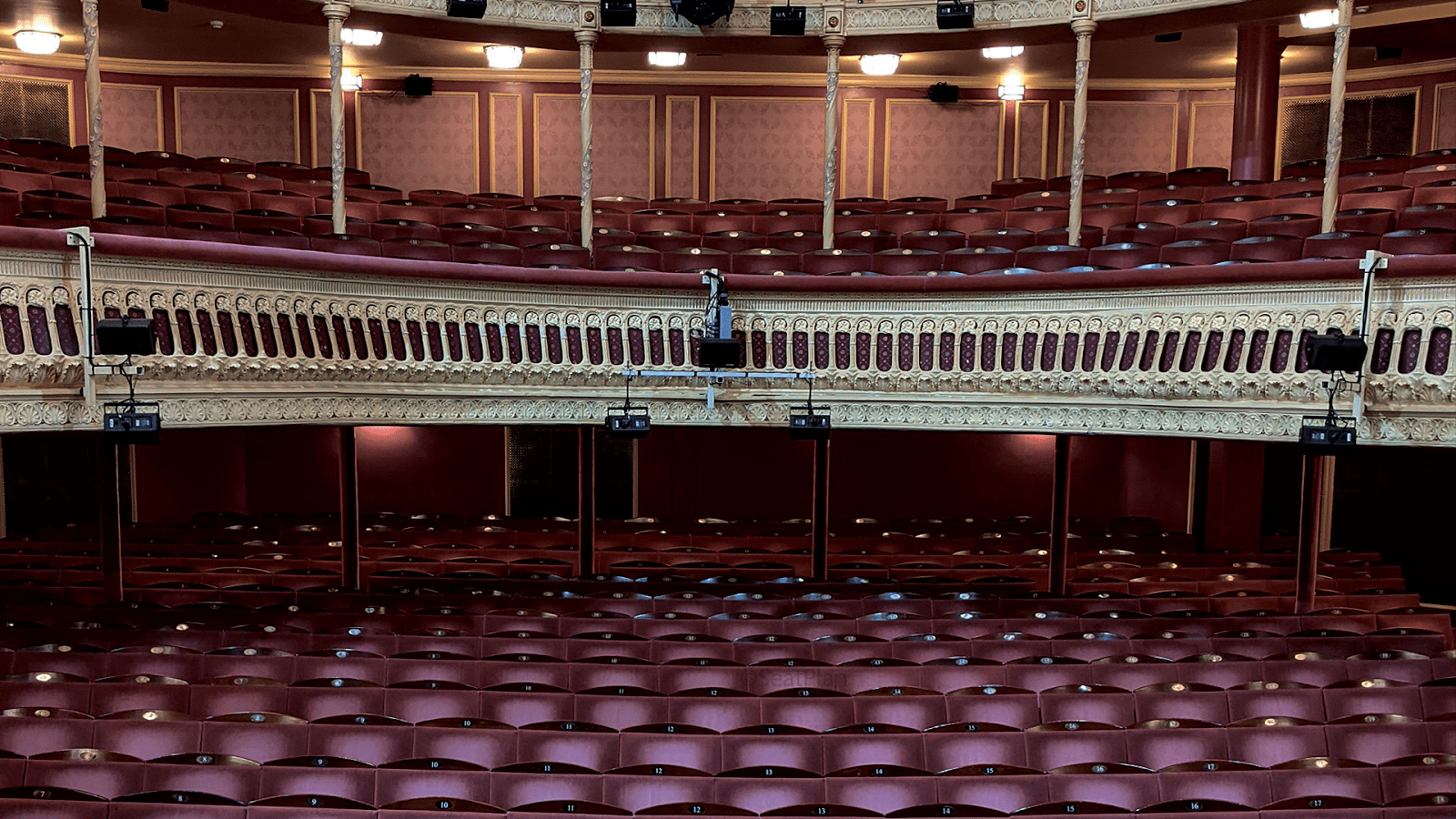
The Criterion Theatre was lucky enough to survive two world wars. It happened primarily because of its basement location. Of course, it has experienced some difficulties like all other cultural institutions in London. However, they didn’t affect its further development significantly. During the Second World War, the building housed the BBC studio. The channel recorded some programmes here and immediately broadcast them. After the war, the theatre resumed its activity. For quite a long time, the Criterion Theatre was home to the productions of the Reduced Shakespeare Company. Another closure awaited the theatre during the height of the 2020 pandemic. Soon it reopened and staged the famous musical Amélie. Nowadays, it is one of the most well-known theatres in London, which impresses visitors with its performances and interesting architecture.