In May 1975, the “Video Show” exhibition at the Serpentine Gallery heralded the birth of video art as a distinct form of expression. Showcasing works by both international and British artists, it not only charted the genre’s aesthetic horizons but also highlighted the crucial need for institutional support for these artists. This very impulse led to the establishment of London Video Arts, an organisation that played a pivotal role in the emergence of video art in the UK. Read more on london-trend.
The Founding and Evolution of London Video Arts
In 1976, British visual artist David Hall initiated the creation of London Video Arts. He was joined by leading video artists of the era, including Roger Barnard, David Critchley, Tamara Grigorian, Brian Hoey, Pete Livingstone, Stuart Marshall, Stephen Partridge, and John Turpie. They pooled their efforts to forge a platform that would provide artists in this burgeoning field with autonomy, as well as dedicated infrastructure for exhibitions and distribution.
Published in 1978, the first London Video Arts catalogue clearly articulated this ambition. It featured video works on cassette, video performances, and video installations by both British and international artists. The catalogue served not only as a distribution tool but also as a means of fostering a professional community within video art.
Despite their creative drive, London Video Arts initially lacked a permanent office or even a technical base for production. The main hurdle was the high cost and complexity of video equipment at the time. However, thanks to the persistence of its members and a growing interest in video art, the organisation successfully secured funding. By 1984, David Critchley reported a significant breakthrough for the community in the organisation’s second catalogue, following the acquisition of its own premises, professional staff, and initial production facilities. From then on, it could offer artists production and post-production services, as well as organise screening tours worldwide.
Throughout the 1980s, London Video Arts actively responded to the dynamic shifts in the artistic and technical landscape, transforming its approaches, structure, and aesthetics. With the rise of Scratch video, the popularisation of music videos, and the decreasing cost of video technology, video art fundamentally changed its nature. While the community initially focused on a modernist understanding of the medium, a different aesthetic soon emerged – more experimental, spontaneous, and at times, provocative.
Due to a dispute with John Cleese’s production company over the rights to the name “Video Arts,” the organisation rebranded as London Video Access in 1988. During this period, it gradually shifted its focus from avant-garde art towards the independent video sector and engaging a wider audience. The next chapter in the community’s history began in 1994 when it adopted the name London Electronic Arts. Despite the technological shift, it maintained its artistic focus and continued to champion artists working with media in alternative forms.
Thanks to National Lottery investments, London Electronic Arts relocated to the Lux Centre in 1996 – a cutting-edge cultural space with its own exhibition hall, which complemented the existing distribution and production infrastructure. However, changes in cultural funding and the evolving definition of media presented new challenges. Under pressure from funding cuts, and due to the merging aesthetics of video, digital art, and film, the community merged with the London Filmmakers’ Co-operative, with whom it shared premises. This merger occurred under the joint name of the Lux Centre space, which operated until 2001.

“1,001 TV Sets (End Piece)” by David Hall
Recognition and Significance of London Video Arts
London Video Arts established a new paradigm for perceiving video not merely as a supplementary communication tool, but as an independent artistic medium. Through the efforts of David Hall and a group of like-minded individuals, it created an independent platform to support visual artists, encompassing exhibition activities, archiving, production, and distribution. Despite the eventual closure of the Lux Centre in 2001, the legacy of its predecessors endured. The extensive library of videotapes from the space, documenting decades of British and international video art, has been preserved and continues to be distributed through the organisation LUX.
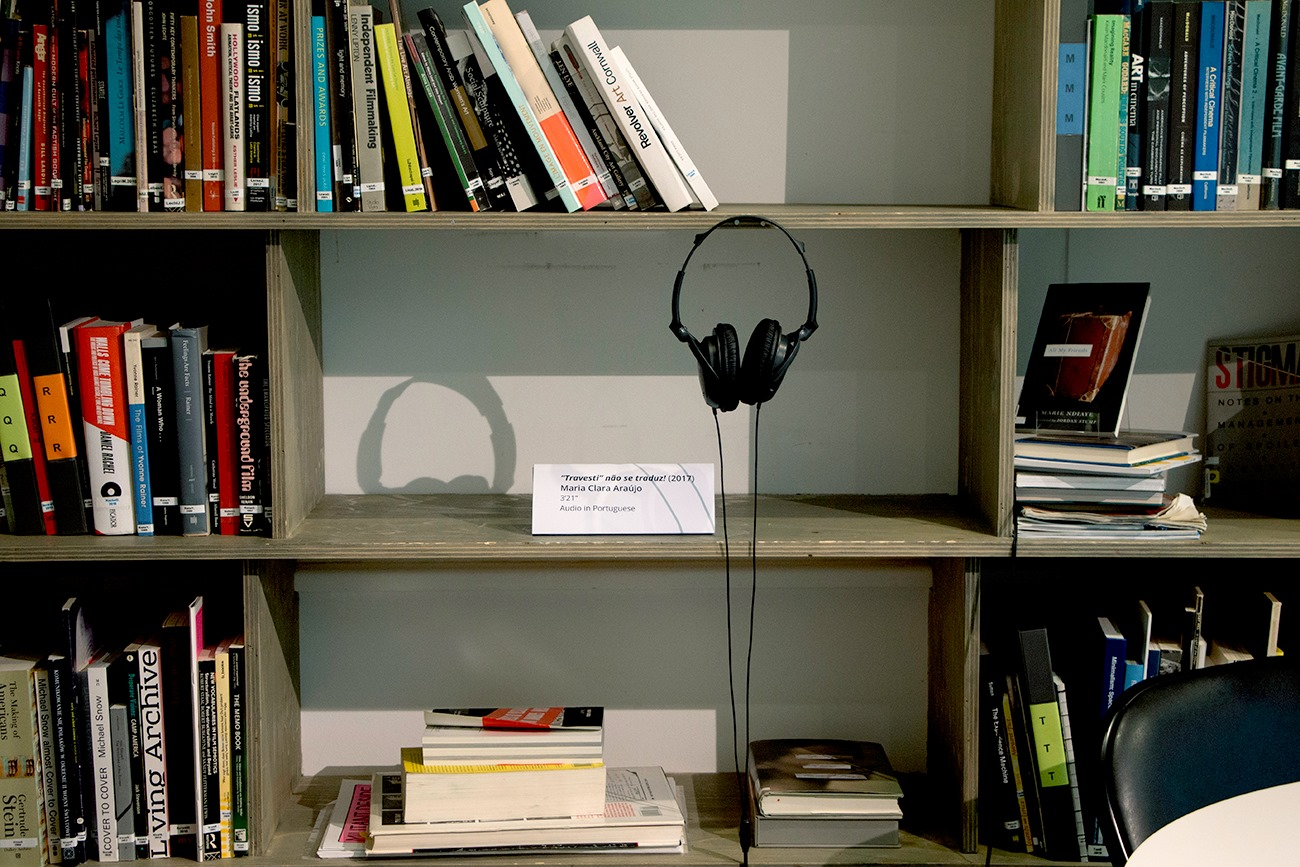
The LUX library in London