


The Shaftesbury Theatre is singled out among the wide variety of London cultural institutions. It isn’t the largest in the world, but its architectural style and skilful actors will definitely impress everyone. Its history is very eventful and its stage has seen a large number of outstanding masterpieces of theatrical art. So, it’s worth opening the curtain and learning more about this incredible theatre at london-trend.
FASCINATING HISTORY
The theatre has experienced many world-class events throughout its 100-year-old history. Theatre’s age is a fact that hints at its greatness and makes us respectfully learn every detail of its existence. The Shaftesbury Theatre was opened in 1911. Initially, the theatre could accommodate 2,500 spectators, but over time the number of seats decreased significantly. Originally, it was called the New Prince’s Theatre. In the first years of its existence, it offered visitors such well-known productions as The Apple of Eden, Women and Wine, The Story of the Rosary, Brewster’s Millions, The Merchant of Venice and many others. In general, according to the initial idea, it was intended to be a theatre of melodrama. Although such dramatic works constituted a significant part of the repertoire, later the programme diversified considerably. Spectators enjoyed the masterpieces by famous Shakespeare, ballet, opera and other performances of various forms and genres. In the 1920s, the theatre became even more popular owing to the unusual musical The Cousin from Nowhere, the fascinating play The Return of Sherlock Holmes and the spectacular comedy Alf’s Button.
The Shaftesbury Theatre experienced considerable success in the 1930s as if people knew that they should enjoy those creative and joyful moments before something terrible and unexpected happened. Those years were characterised by flourishing theatrical art, but everything changed due to the Second World War. Despite all the obstacles, the institution almost didn’t stop its activity, unlike other theatres in London. Music has never stopped playing on its stage and professional actors have continued to reveal deep psychological ideas. During the Second World War, the theatre showed unique and world-famous Fun and Games, Wild Rose, Old Chelsea and Halfway to Heaven. In the post-war period, the theatre began to develop rapidly and surprise the audience with new ideas every year. The institution was renamed in the early 1960s. The Shaftesbury Theatre has recently undergone some restoration and repairs, which led to a reduction of its seating capacity to 1,470 seats.
THEATRE AT THREAT OF CLOSING
Unfortunately, people in pursuit of new technologies or total urbanisation can destroy even the most unique and valuable objects of architecture. Such a situation happened at the Shaftesbury Theatre. In 1973, it was under threat of demolition and could be replaced with office premises. However, thanks to the Save London’s Theatres campaign, it survived and continued its activities.
POPULARITY IN THE MODERN WORLD
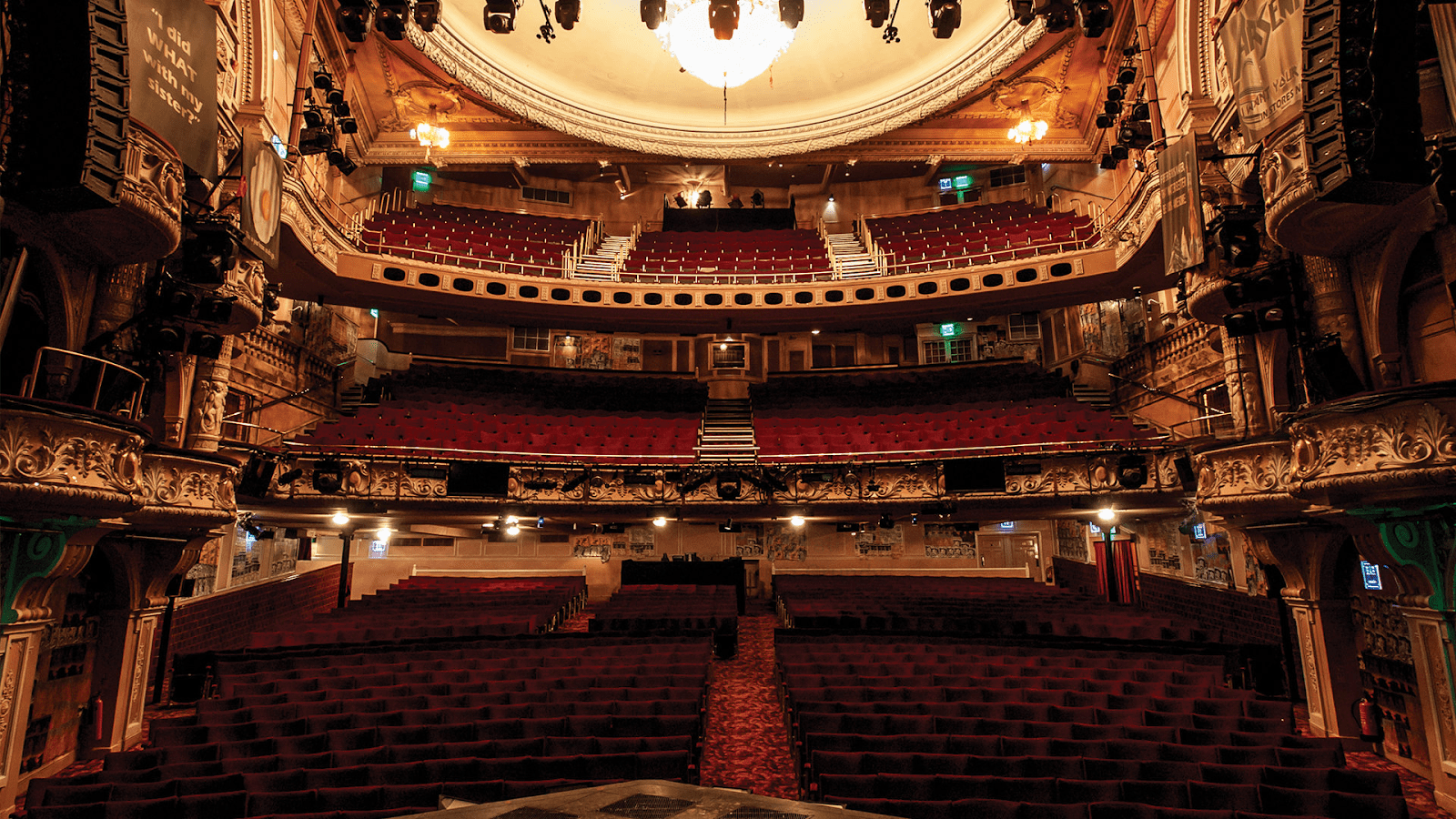
The beginning of the new century was marked for the theatre by a large number of musicals. In particular, in the 2000s, it presented Thoroughly Modern Millie, Bat Boy: The Musical, The Far Pavilions and others. In the 2010s, the Shaftesbury Theatre underwent some improvements. The ventilation and air conditioning system was updated, as well as the external facades of the theatre were repaired. However, in 2019, the institution was closed due to the global pandemic that significantly affected its activities. Therefore, in June 2021, the theatre opened its doors again in compliance with sanitary standards. Nowadays, it’s a perfect place to learn and enjoy art.