

London is a city of theatres, elegant streets, and centuries-old traditions. Its incredible theatrical productions draw audiences from all corners of the globe. From the historic stages of the West End to the intimate venues in Soho, the capital’s theatre scene captivates with its diverse genres and abundance of talent.
London remains a dream destination for actors and a firm favourite with the public. The city’s theatres continue to adapt to modern challenges, showcasing evolution, technological progress, and a commitment to inclusivity. Read more at london-trend.
The West End – London’s Theatrical Heart
The West End remains the epicentre of London theatre, home to renowned productions ranging from classic dramas to contemporary musicals. It represents commercial theatre at its highest level in the English-speaking world. Visiting the West End is a quintessential activity for tourists exploring London.
The West End boasts around 40 theatres, including the “Theatre Royal”, “Drury Lane”, which opened in 1663 and is considered the oldest theatre in the capital. “The Savoy Theatre” was built to showcase Gilbert and Sullivan’s comic operas and was famously the first public building in the world to be entirely lit by electricity in 1881. The Society of London Theatre announced that 2018 was a record-breaking year for London’s theatre industry, with audience numbers exceeding 15.5 million – the highest since the organisation began collecting data in 1986. While attendance sharply declined during the COVID-19 pandemic, by 2023, audience numbers reached a remarkable 17.1 million people, highlighting its enduring commercial success.
It’s worth noting that the West End is actively adapting to contemporary social expectations. Accessible seating, lottery schemes, and youth tickets are making theatre more affordable and accessible to all audience demographics.
Smaller Theatres
Beyond the West End, London’s theatre scene thrives thanks to its smaller venues, which often stage experimental productions. For instance, “Soho Theatre”, celebrating its 25th anniversary in 2025, is a vibrant hub for new talent, LGBTQ+ voices, and comedic works. Their Walthamstow venue is extending the theatre’s influence into North East London. These tiny venues and stages create poignant, humorous, and melancholic stories. Such intimate presentations bring actors very close to their audiences. Smaller theatres like the “Finborough Theatre” and “Arcola Theatre” play a crucial role in popularising theatrical performances. Despite having more limited funding than larger venues, small stages often attract renowned actors and directors.

In recent years, playwright Florian Zeller, for example, achieved great success in London, largely through productions in these smaller, fringe theatres. Immersive theatre is also gaining momentum, with companies like “Punchdrunk” utilising interactive spaces and projections to draw in younger audiences. Performances often take place in intriguing locations, transforming warehouses and creating bespoke experimental stages.
Plays on the London stage are incredibly diverse, reflecting London’s multiculturalism by featuring people from various ethnic backgrounds. For example, the new “RSC” season includes Cyrano de Bergerac with Alistair Enoch and Henry V performed by actors from BIPOC communities. These open strategies make theatre more diverse and inclusive.
Challenges and the Future
London’s theatres are vital to the city’s economy. They support over 20,000 jobs and contribute £133 million annually to the public purse. For theatres to generate revenue and delight audiences, they need to be full. It’s concerning that government funding is being cut, impacting national theatres. Londoners and visitors alike are worried about rising ticket prices, with the average cost of premium tickets for popular shows increasing by 50%. While rising prices make theatre less accessible, certain programmes offer discounts.
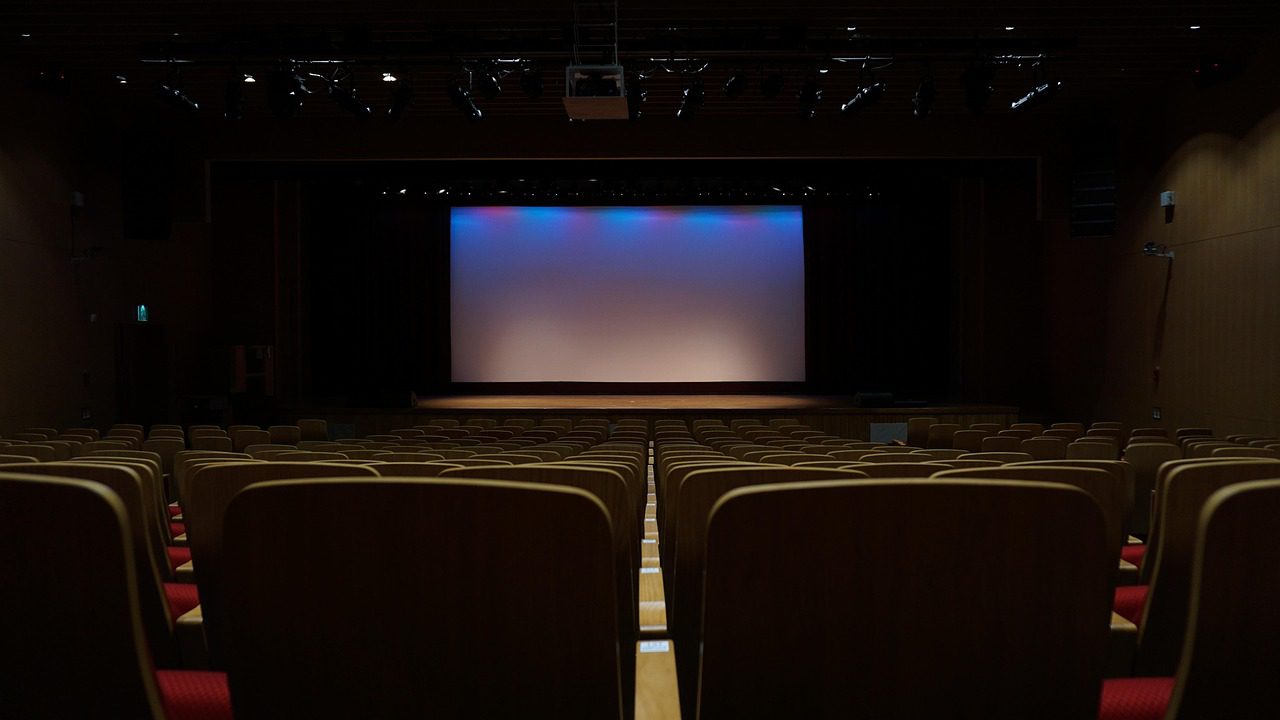
Crucially, technology is transforming theatres. Through “NT Live”, the National Theatre broadcasts performances to cinemas, helping to attract new audiences and popularise shows. In 2025, new digital formats are planned, including online streaming, which gained popularity during the COVID-19 pandemic. Environmental preservation is also a priority; for example, the “Young Vic” theatre is implementing set recycling. All these new directions and ideas help London’s theatres look confidently towards the future, embracing innovation.
Every year, the vibrant artistic scene attracts millions of tourists. According to the Society of London Theatre, over 34 million people visit UK theatres. A significant 24% of international visitors to London attend West End theatrical performances, demonstrating the immense impact of theatre on the capital’s tourism industry. Theatres alone attract a quarter of all tourists to London, which in turn boosts revenue for restaurants, hotels, shops, and other tourist attractions. Unique contemporary productions are considered true theatrical masterpieces, well worth seeing not only by tourists but by Londoners themselves.
In essence, London’s theatres seamlessly blend traditional elements with innovative advancements. The West End dazzles with large-scale shows, while smaller theatres showcase daring experiments, making the stage accessible to everyone. London’s vibrant theatre scene captivates audiences with its diversity, presenting both classics and new works.
Theatres are more than just entertainment venues; they are true national treasures. Despite economic challenges, the capital remains a global hub of theatrical art.
Sources used:
- https://londonlovesbusiness.com/the-role-of-theatre-in-boosting-londons-tourism-economy/?utm_source
- https://www.dailysabah.com/arts/londons-theater-scene-dynamic-mix-of-classics-innovation/news?utm_source
- https://unrestrictedtheatre.co.uk/securing-the-future-of-londons-theatres/
- https://civilianglobal.com/arts/small-perfectly-formed-londons-small-stages/

