

Since the time of the ancient Greeks, theatre has been a primary form of entertainment, which is why the same plays are often revisited. More often than not, performances help us to re-evaluate old narratives, transforming them for contemporary life. This approach is frequently used in theatres worldwide, particularly on the London stage.
London’s theatres are renowned for their long and storied history. From the days of William Shakespeare to the modern West End, the London stage has been, and remains, the beating heart of British theatre. The 21st century has brought new challenges, with the rapid development of digital technologies, various environmental concerns, and evolving audience demands. Read more at london-trend.
Digital Technologies
London theatres in the 21st century are successfully integrating digital technologies into their operations, adapting to contemporary changes. As early as 2009, National Theatre Live began broadcasting performances to cinemas worldwide, allowing a vast audience to experience high-quality productions. For example, Helen Mirren’s Phèdre was screened in 70 cinemas across the UK, achieving phenomenal success. Audiences also watched in thousands of cinemas globally.
These changes accelerated significantly during the COVID-19 pandemic. The coronavirus brought all mass gatherings to a halt worldwide, including in London. The airborne nature of the disease created significant risks, leading London theatres, notably the National Theatre, to launch streaming platforms where performances could be watched online. These innovations helped them retain their audience and even attract international viewers. It’s worth noting that after the pandemic, the Royal Court continued to operate in a dual format, offering both live performances and online broadcasts.
Technology is also transforming the productions themselves. London theatres have started incorporating projection mapping, advanced sound effects, and virtual reality to create captivating performances. In 2018, London hosted the world’s first theatrical performance using 5G technology. Musicians from the Guildhall School of Music and Drama performed simultaneously in London and Berlin, connected in real-time.
In 2025, the musical Starlight Express was updated at the Troubadour Wembley Park Theatre, utilising over 600 moving lights, kilometres of LED strip lighting, and automated tracking systems, creating a stunning visual spectacle.
Diversity of Productions
London’s theatres impress tourists and locals alike with their diverse range of shows. Themes reflecting the capital’s multiculturalism are often popular, featuring actors of various ethnic backgrounds. Notably, for different productions, mobile stages, bespoke spaces, and unique locations are created for immersive theatre, involving audience members as participants. This approach is particularly popular with younger audiences, as this modern format helps theatres compete with digital entertainment and offers a fresh experience.
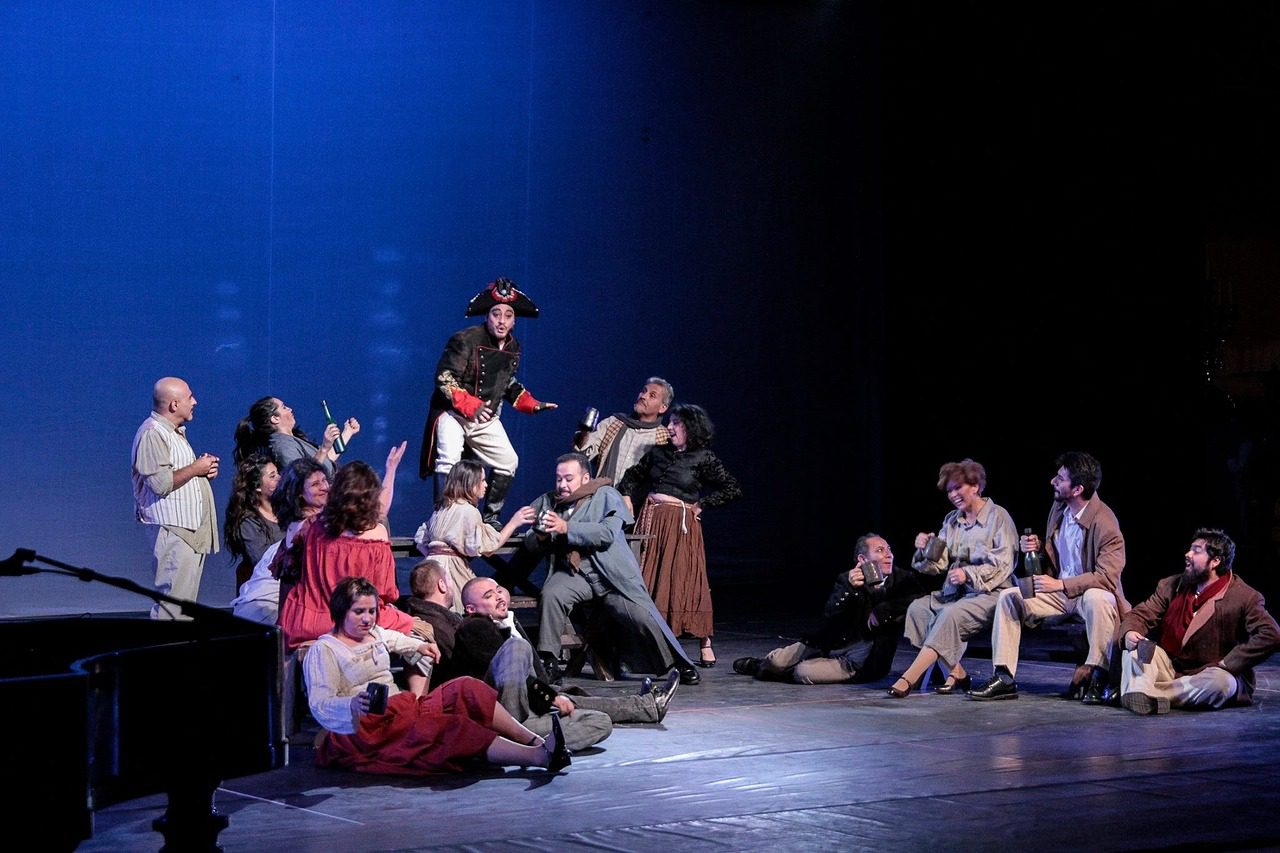
The city’s renowned theatres are also updating their show formats and programmes to stay current. The Aldwych Theatre showcases modern classics, while The Garrick Theatre hosts musical concerts and various events in addition to theatrical productions. Each theatre has witnessed different eras, yet actors, playwrights, and directors continue to create artistic spaces where both classics and experimental works can be presented.
Economic and Environmental Challenges
Regardless of their success and popularity, London’s theatres still face funding cuts and rising costs. Production expenses are increasing, and state support isn’t always sufficient, prompting each theatre to seek additional funding for their projects.
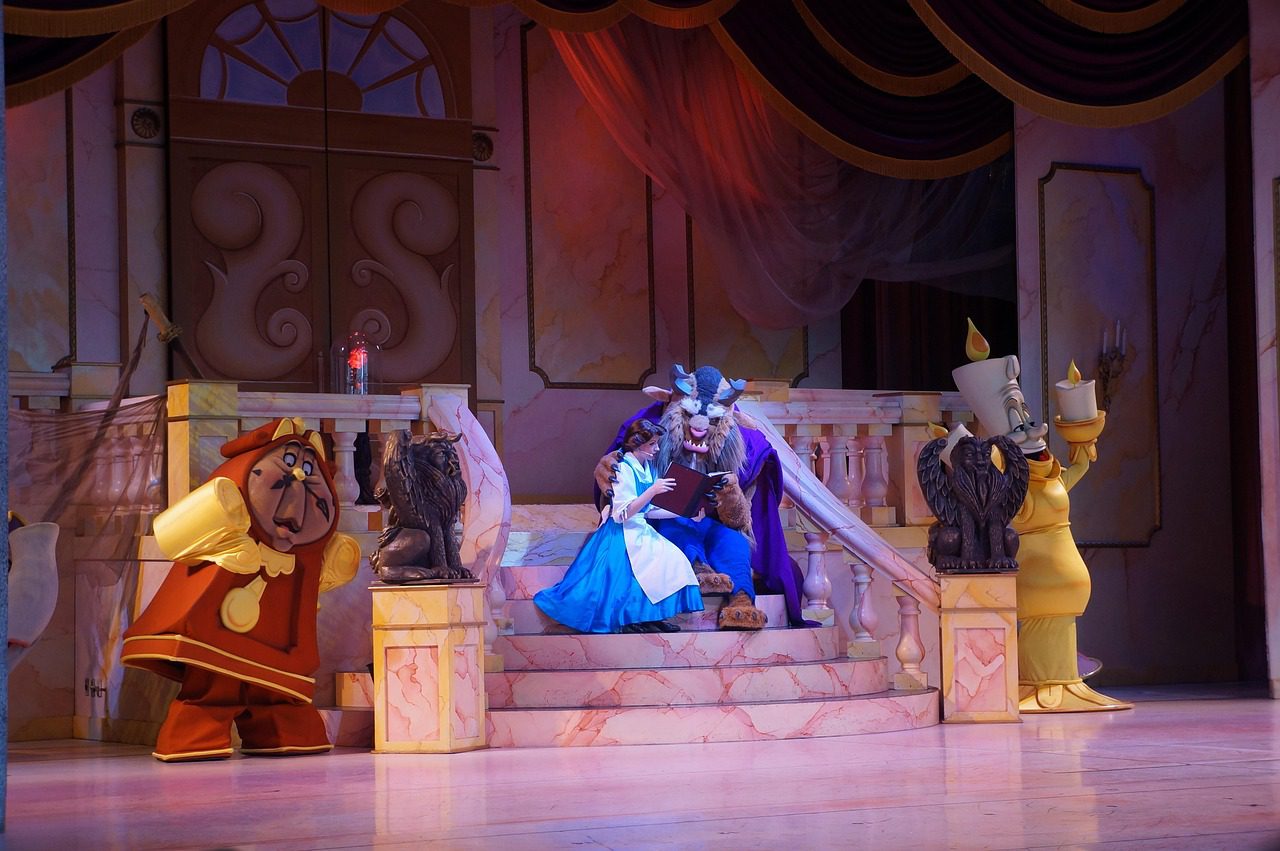
London theatre professionals are also advocating for environmental sustainability. For example, the Young Vic and Donmar Warehouse are developing and implementing energy-efficient lighting and introducing ideas for recycling sets. There are plans, in collaboration with other organisations, to create a centralised hub for storing and reusing theatrical costumes and sets, which will benefit the environment and reduce waste in the theatre industry.
It’s important to mention that London theatres are also launching sustainable development initiatives. Shakespeare’s Globe aims to improve energy efficiency and implement measures to reduce carbon emissions. Such efforts are valued by Londoners, as not only digitalisation signals a modern future, but also a careful approach to the environment.
In conclusion, London’s theatres are gradually adapting to 21st-century trends. They are learning to balance traditional productions, works, and artistic vision with innovative solutions. Diversity, digital technologies, and the accessibility of theatres for everyone attract many people, especially young audiences, to the industry.
Despite economic challenges and various difficulties, the West End and other venues continue to thrive, setting global standards. London remains the theatrical capital of the world. New initiatives and the ability to balance and withstand various challenges open up new creative opportunities, attracting ever more talented individuals to the profession.
Sources used:
- https://www.london.gov.uk/programmes-strategies/environment-and-climate-change/climate-change/zero-carbon-london/mayors-business-climate-challenge/shakespeares-globe?utm_source
- https://www.theguardian.com/stage/2025/may/30/what-would-a-kid-do-in-this-situation-engineering-starlight-expresss-dazzling-return?utm_source
- https://englandexplore.com/london-theatres/
- https://www.theguardian.com/culture/2025/feb/21/how-national-theatre-live-brought-the-magic-of-the-stage-to-the-cinema?utm_source

