


Music is an amazing phenomenon that has existed in the life of mankind since ancient times. Perhaps, it even contributed to important historical events. After all, the impact of sounds on a person has not been studied enough. The melody is a kind of mystery that hides the whole world inside. You can think about it for a long time but never come to a logical conclusion. Thus, we offer to consider the history of music development in one of the most famous cities in the world. London is highly developed in many areas of life. Musical art is no exception. Its history reveals many masterpieces, amazing melodies and outstanding people who devoted their whole lives to music. Learn more at london-trend.
CLOSE CONNECTION BETWEEN MUSIC AND RELIGION
Undoubtedly, music appeared in the territory of Great Britain a long time ago. People learned to reproduce certain sounds and melodies when they began to use the first known tools. Back then, the bones and horns of animals often served as musical instruments. However, it is a very early history of the music evolution, so it’s probably enough for a modern person to have general ideas about that period, without paying much attention to specific details (especially since there are few verifiable facts). The development of music as a high art can be associated with the formation of a clear state system, the appearance of royalties and, of course, the emergence of religion. Such social processes have become the basis for the birth of musical art, which in the modern world is considered exemplary and worthy of following.
Music developed significantly during the reign of the Tudors. It was a period of constant contradictions, when Protestantism tried to supplant Catholicism and, on the contrary, Catholics wanted to dominate Protestants. This period in the history of London is also known for many composers who created real masterpieces. Music was an integral part of all religious events and thus was focused on the church. At that time, the organ gained great popularity throughout Europe. It was one of the main musical instruments and was placed in every cathedral. Accordingly, most of the works were written specifically for organs. Its main feature was that it could replace an entire orchestra, while incredible acoustics in a church or cathedral created an amazing atmosphere. Such a musical instrument was preferred over others for a very long time. Moreover, it is used today too.
FURTHER DEVELOPMENT OF MUSIC
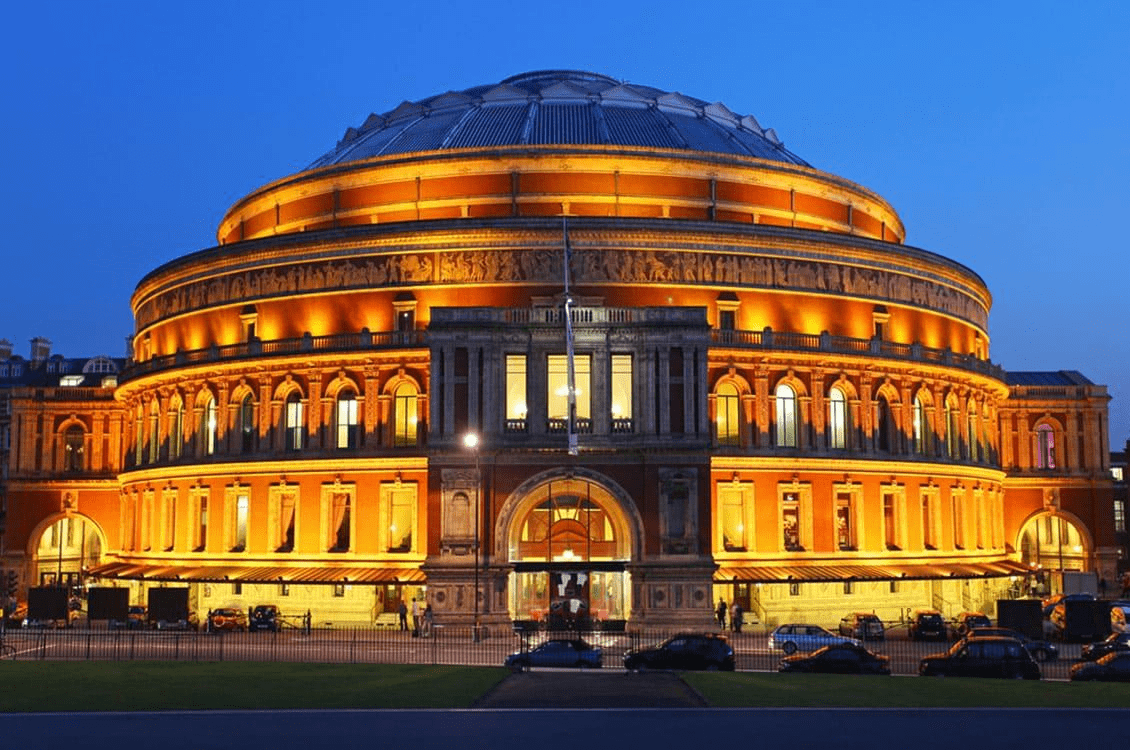
The world-famous composer George Frideric Handel made a significant contribution to the development of musical art in London. He came to the city in 1710. Without exaggeration, it was an extraordinary gift for the capital of Great Britain. Although musical art in the city was in decline for some time after the death of the composer, London was increasingly visited by other outstanding European composers. One of the main problems at the same time was the lack of permanent orchestras. However, in 1813, the Philharmonic Society was created here. Later, the Albert Hall was built too. Throughout its entire music history, London has seen both amazing highs and frustrating lows. In the 19th century, the centres of musical art were located in France, Italy or Germany. However, around the second half of the 20th century, London overtook Vienna, Paris, New York and Berlin. First of all, it happened thanks to the government policy, which provided orchestras, opera singers and many other representatives of the sphere with the necessary means to live and develop their talent. All of that led to the further development of music in the city, which continued into the 21st century.