


Today, London is synonymous with world-famous West End theatres, spectacular musicals, and centuries of rich dramatic tradition. However, the city’s cultural timeline has not always been a story of unchecked artistic growth. Back in the 17th century, London stood as the undisputed capital of European drama, yet its stages were suddenly forced into silence for nearly twenty years. Playhouses stood empty, actors lost their livelihoods, and public performances were heavily policed by the state. The history of London’s banned plays highlights just how vulnerable art and culture can be to the shifting tides of politics, religion, and public opinion. Were plays censored before this era, and what exactly drove the Puritans to such drastic measures in the 1640s? Find out more at london-trend.
Mystery Plays and the Seeds of Religious Doubt
There was a time when England was deeply enamoured with Passion plays. In the 15th century, Mystery plays—theatrical productions rooted in biblical narratives, particularly the suffering and crucifixion of Christ—were immensely popular, drawing patronage from the highest echelons of the aristocracy. Yet, despite their spiritual, social, and educational value, these plays eventually faced outright bans. By the Elizabethan era, England had established itself as a Protestant nation. Queen Elizabeth I was not officially recognized by the Pope, and tensions between Protestants and Catholics were reaching a boiling point. As a result, Catholic religious practices and theatrical depictions of biblical scenes were suppressed across the country. While Mystery plays reached their peak in cultural hubs like York, Coventry, and Chester, London’s early religious theatre was far more modest, usually restricted to holiday pageants staged by religious guilds and parish communities. Consequently, when the religious bans took effect, London naturally evolved into the epicenter of secular drama.
The Total Ban on Theatre
In the 17th century, London and many other English towns faced an unprecedented crisis in the dramatic arts. Though this dark age lasted only about 18 years in total, it dealt a massive blow to a city celebrated for its vibrant performance culture. The shutdown did not trigger from a routine royal decree, but rather from a profound ideological rift within the nation. For previous monarchs, including Elizabeth I, the theatre had always been a cherished source of entertainment. Moreover, it is impossible to overstate the cultural brilliance of that era, which produced geniuses like William Shakespeare, Christopher Marlowe, and John Webster.
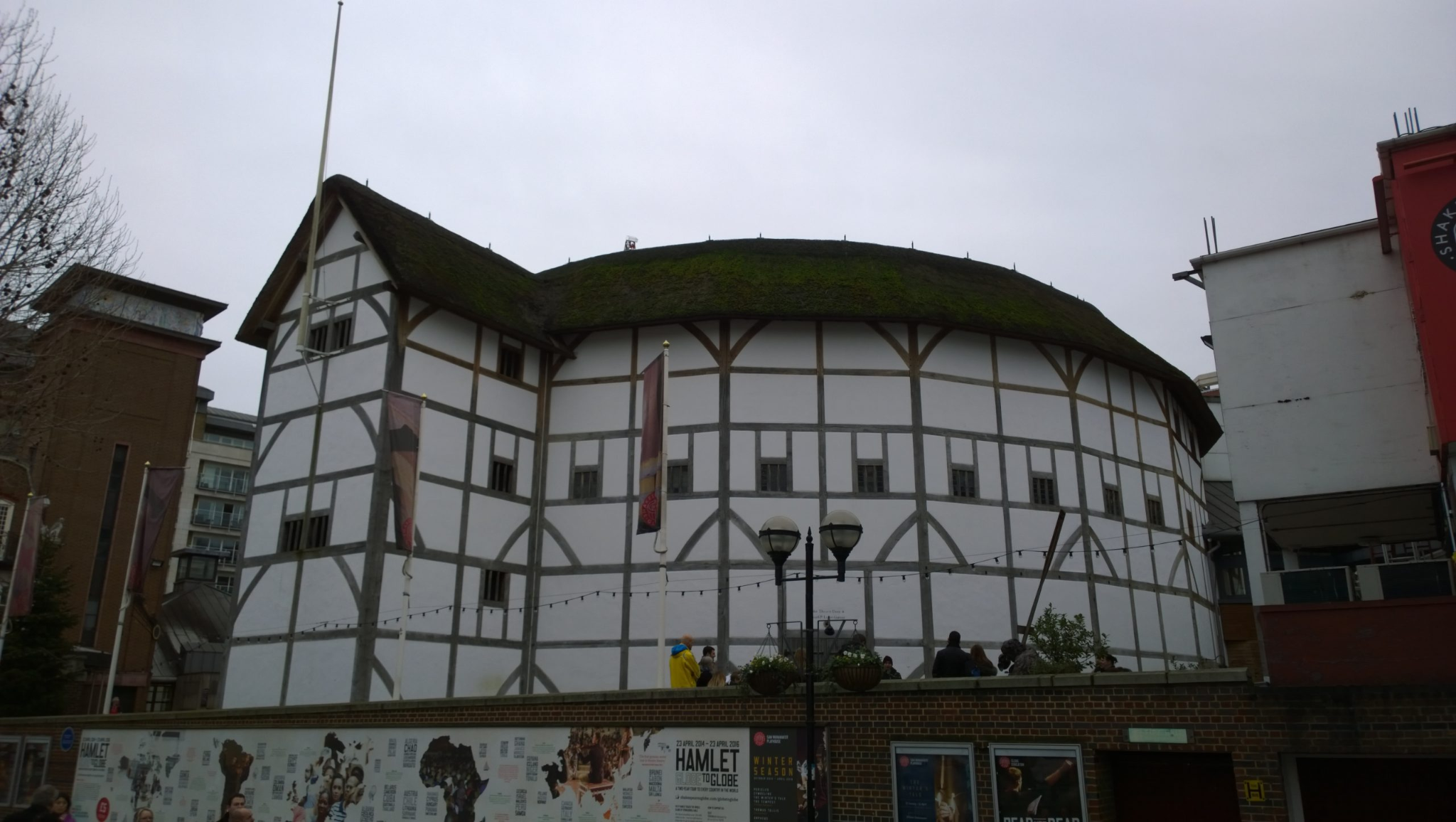
This critical turning point saw political warfare spill over into every corner of daily life, completely reshaping theatre arts. The immediate catalyst for the ban was the absence of the monarch from London, a direct consequence of the outbreak of the English Civil War. In the early 1640s, bitter disputes escalated between King Charles I and a Parliament dominated by radical Puritans. When Charles moved to arrest his fiercest political opponents, the political friction reached a breaking point. Ultimately, the King was forced to flee the capital to rally his royalist forces, leaving the Puritans to seize absolute control of London and the machinery of state.
On September 6, 1642, Parliament officially banned all stage plays. To the Puritans, the theatre was a breeding ground for vanity, sinful revelry, and dangerous political dissent. Eager to dictate the cultural landscape of the capital, they viewed the reformation of the Church of England as incomplete, using their shared disdain for the monarchy as a unifying force. The shutdown was publicly justified on the grounds that rowdy public spectacles were ungodly and entirely inappropriate during a time of national trial and humiliation. Interestingly, the playhouses themselves were rarely demolished; instead, they were repurposed for lectures and alternative gatherings. The true renaissance of English drama had to wait until the Restoration of the monarchy in 1660. Though the curtains remained closed for nearly two decades, the lifting of the ban sparked a dramatic evolution, paving the way for bold new theatrical genres and finally allowing women to take their rightful place on the English stage.