The theatrical pursuits of London’s young talent play a vital role in shaping the cultural landscape. It is within student productions that many emerging actors, directors, and playwrights gain their first taste of the stage, experimenting with fresh techniques and pioneering future theatrical trends. The capital boasts a diverse array of drama schools and universities that regularly collaborate with the professional industry. Driven by a blend of creative freedom, a desire for self-expression, modern trends, and strong industry links, student theatre has become a breeding ground for innovative ideas across London’s entire performing arts scene. But what exactly are these institutions doing to launch the careers of tomorrow’s stars, and how do students gain that invaluable competitive edge? Read on with london-trend.
Nurturing Culture and the Arts: The Student Contribution
When looking at student theatre, professional training is the logical starting point. These institutions lay the foundations for future success, with most schools and universities tailoring their courses directly to industry demands. Students don’t just study; they perform in fully staged productions, gaining exposure across various venues city-wide. By embedding active actors, directors, producers, agents, and casting directors into the learning process, students build essential professional networks early on. This exposure opens doors far beyond the traditional stage, paving the way into the world of cinema.
Each institution stands out with its own distinct curriculum. Take the London School of Musical Theatre, for instance, which offers a single, intensive full-time course. Refined and enriched over nearly 30 years, it focuses strictly on unlocking a student’s full potential as a musical theatre performer, taught by a faculty currently active in the West End. Another fascinating example is the Aida Foster Theatre School, which specialised in dance and drama. Initially founded for those pursuing the arts as a hobby, its steady growth eventually saw it become one of the premier training grounds in the country.
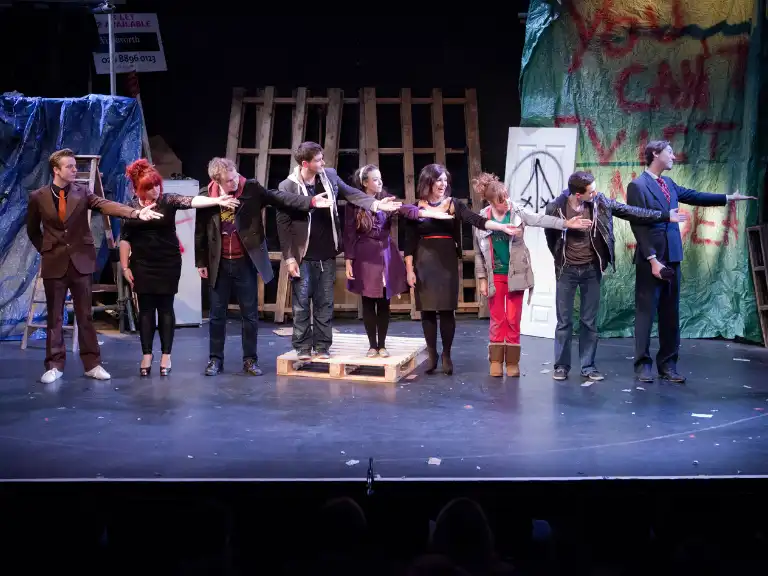
Beyond formal training, London is home to numerous societies and grassroots organisations bringing young creatives together. Modern theatre is more receptive to new concepts and experimentation than ever, giving students total creative freedom to build something genuinely unique. Young performers are tackling contemporary social themes, staging original scripts, and bringing bold, avant-garde visions to life. This fearless approach caught the attention of venues like the Almeida Theatre. Having started life as a small dramatic society, the Almeida remains deeply committed to inspiring, high-risk ideas and has served as a launchpad for countless world-renowned plays.
Learning from the Professionals: The Power of Observation
An often overlooked aspect of a performer’s education is simply being in the audience. When approached with an analytical, professional eye rather than purely for entertainment, watching live shows is one of the most effective ways to understand stagecraft and learn from established actors. There is no better classroom than the West End to experience the heart of the global cultural scene and witness world-class actors, directors, designers, and choreographers at work. It is an ideal space for research, networking, and creative inspiration. It also exposes students to a vast range of genres, whether dissecting the emotional beats of a family musical or studying the pacing of a gritty, hard-hitting drama. Best of all, students across the city can take advantage of heavily discounted theatre tickets, making this vital exposure incredibly accessible.